Esna Temple Cleaning and Conservation

There was a time not so long ago when a fair amount of imagination was needed to picture what the ancient Egyptian temples must have looked like when originally built and painted. Over recent years, however, the Egyptian Ministry of Antiquities and Tourism has led major programs of work to clean, conserve and, in some cases, renovate and restore the temples.

On my recent trip to Egypt I was keen to visit Esna Temple for the first time to see some of this cleaning and conservation work for myself. Located approximately 50 miles south of Luxor on the West Bank of the Nile, the temple is dedicated to Khnum, a god of the Nile who moulded the “ka” on his potters wheel.

Esna is the last temple built in Egypt in the traditional style, a Ptolemaic temple dating from the Graeco-Roman period. It was completed under the Roman Emperor Decius in circa 250 AD. As with all Ptolemaic temples, it was built on the site of an earlier shrine, this one dating from the reign of Thutmosis III in the New Kingdom. The temple sits in a hollow pit some 9 meters below ground level with the modern town enclosing it on all sides. Only the hypostyle hall has been excavated, with remains of the rest of the temple still buried under the surrounding streets.

This short video clip shows the approach to the temple through narrow streets lined with market stalls, and you can see how the temple sits in a pit surrounded by the modern town.

Arriving Esna Temple

A team was there working hard on the cleaning and conservation work as this next short clip shows:

Cleaning Esna Temple

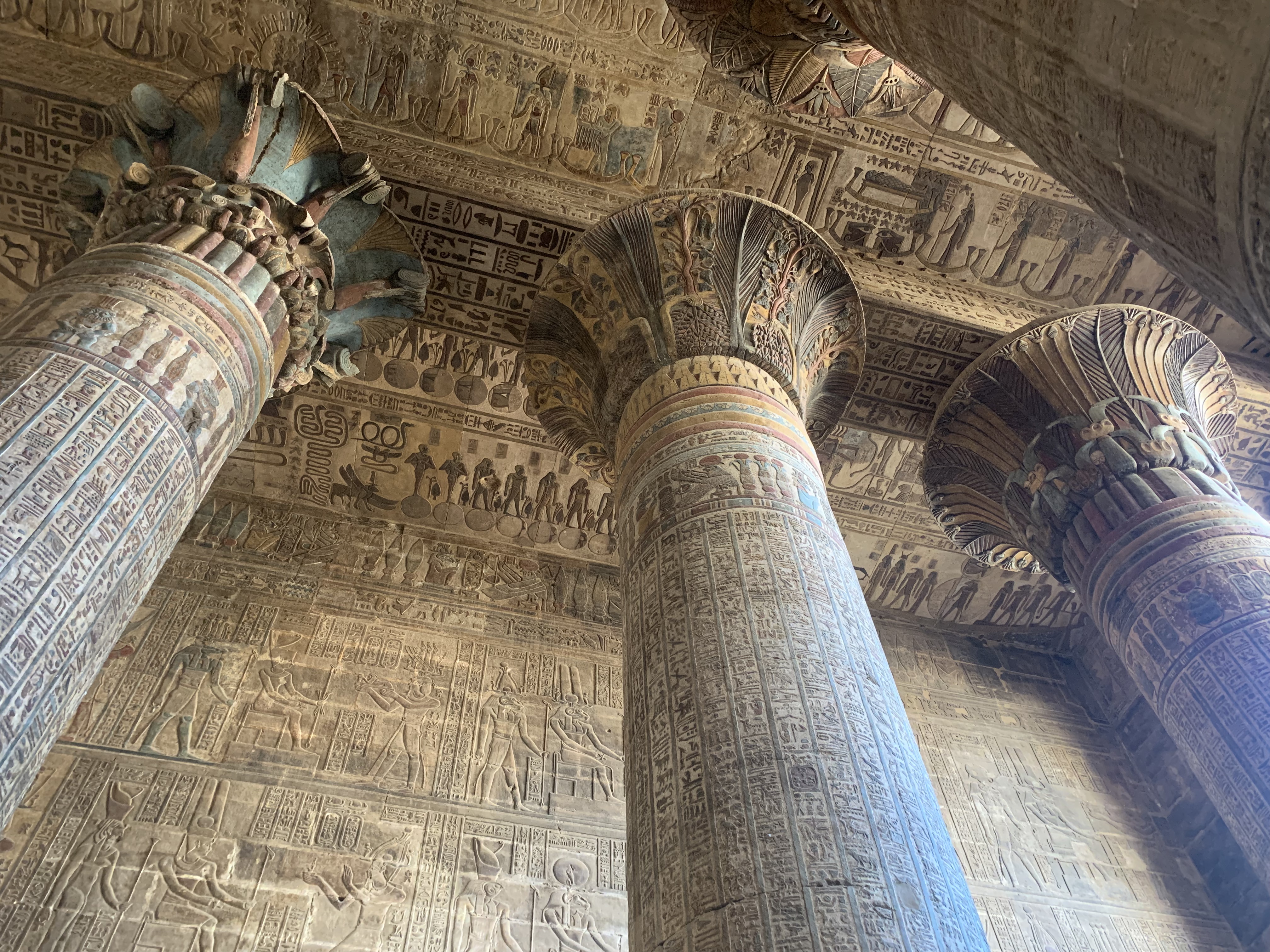
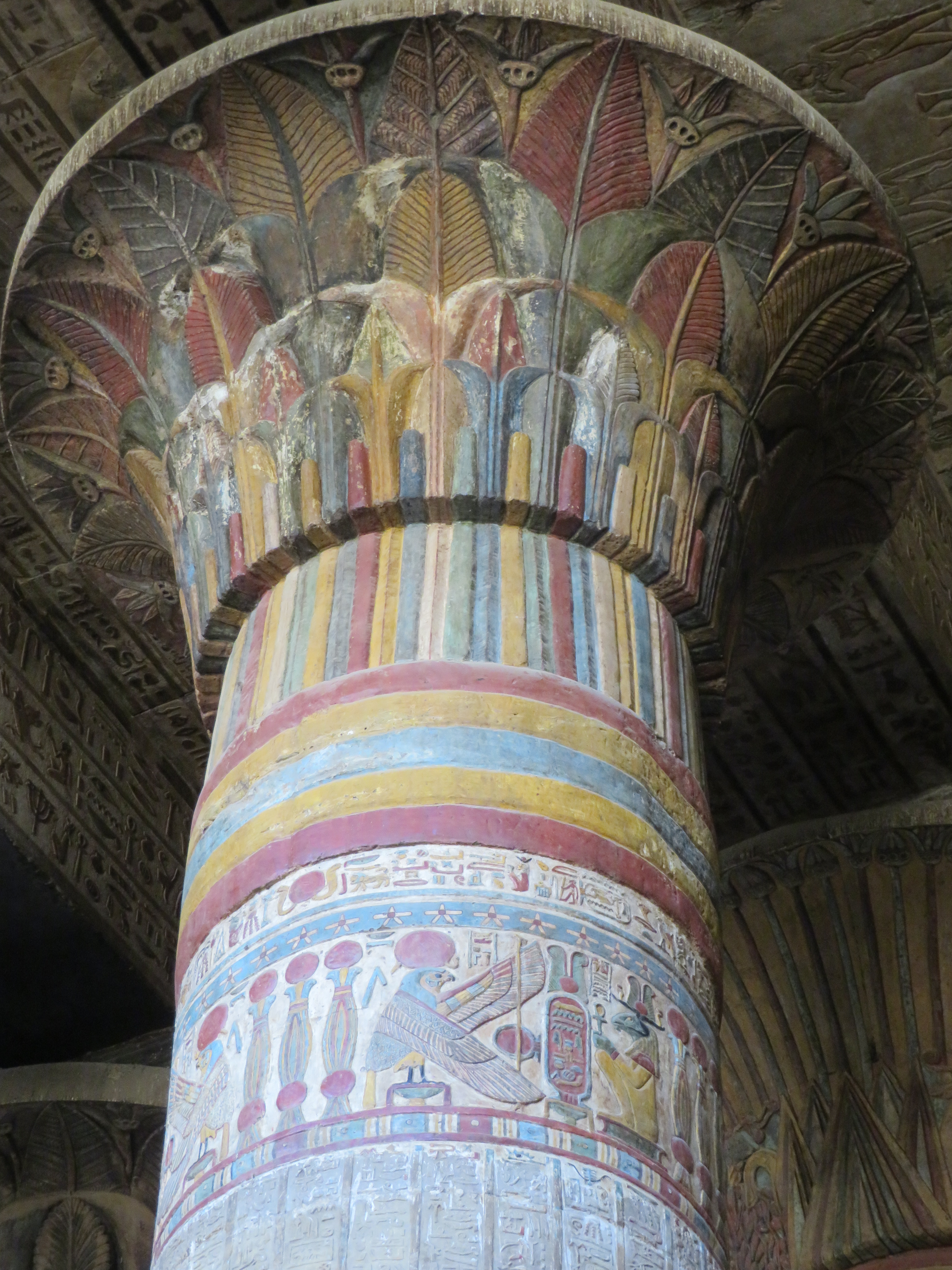
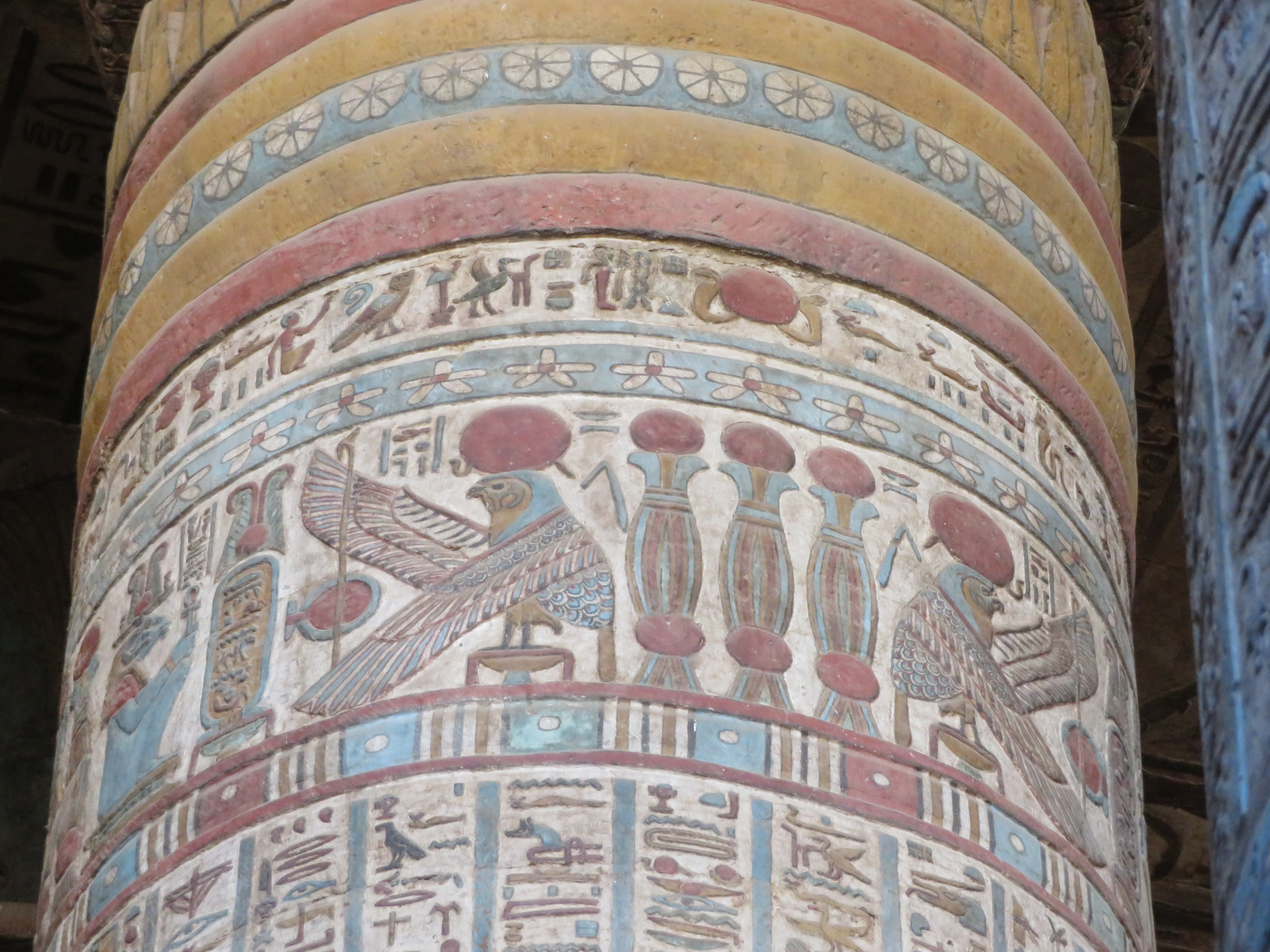
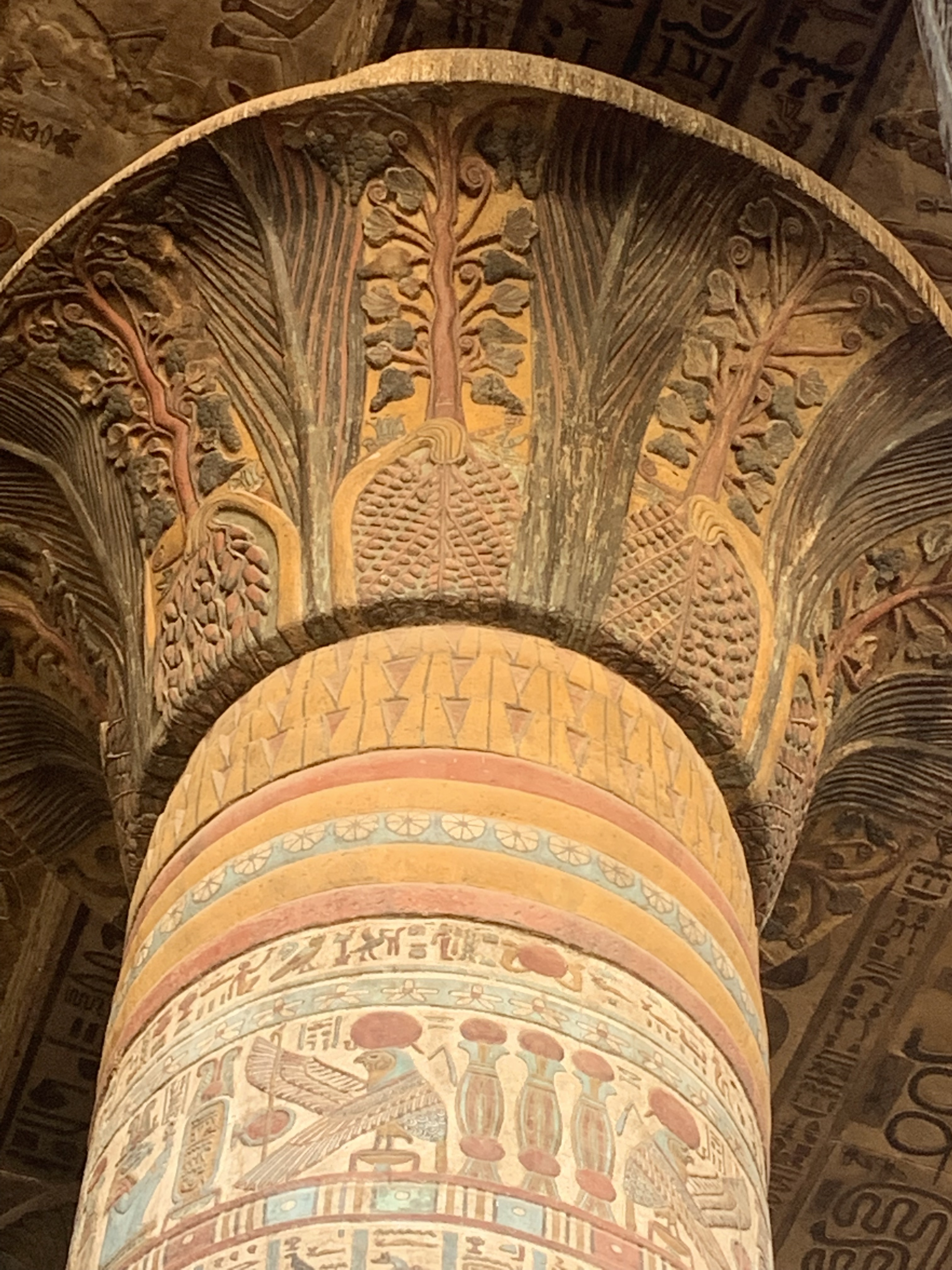
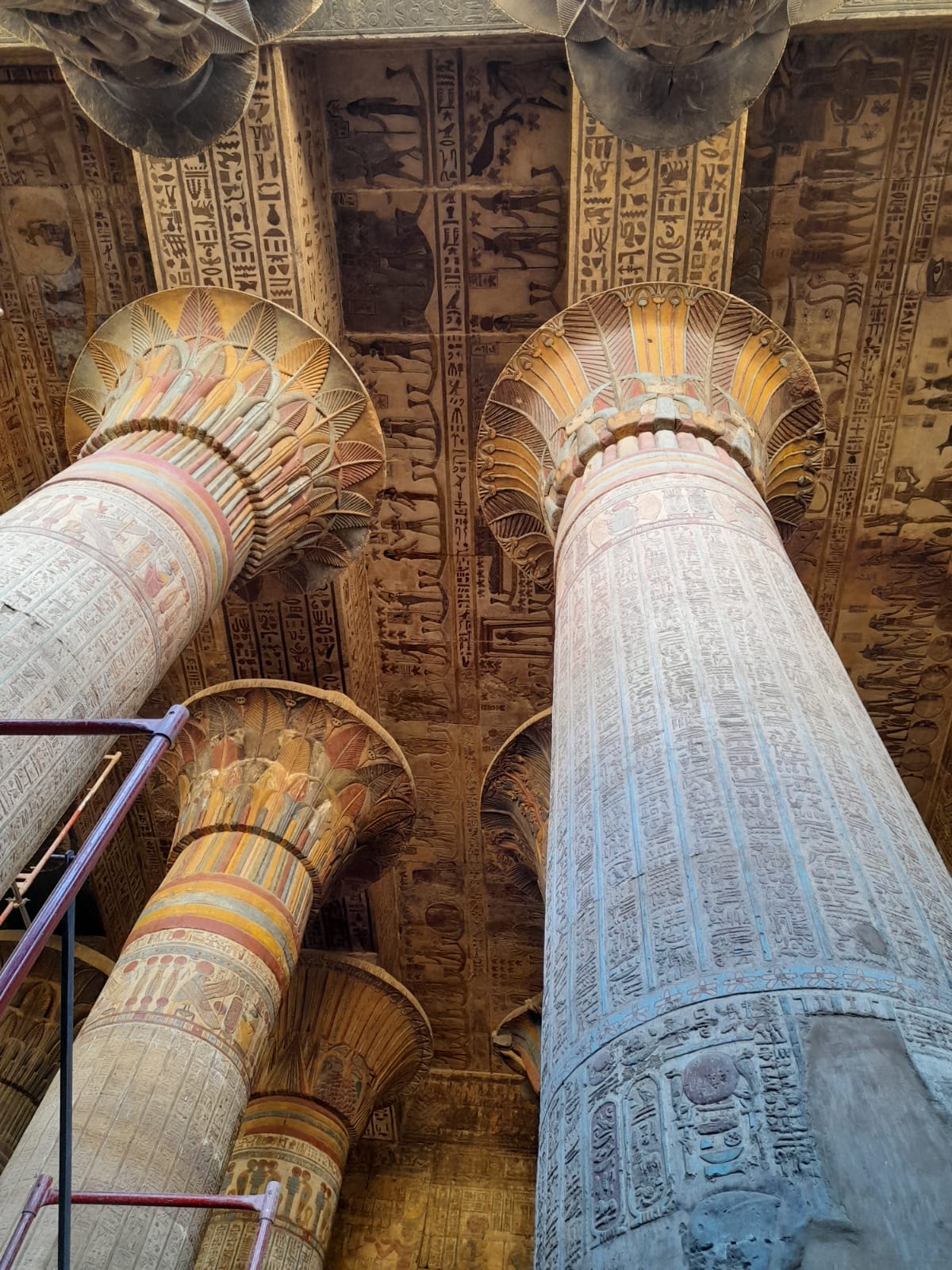
The work cleaning the capital-headed columns and the astronomical ceiling is revealing some stunning colors as this gallery of photographs shows. So it’s no longer necessary to use your imagination to see what the temple must have looked like when originally carved and painted.

What also sets Esna Temple apart is some of the unique reliefs carved into the walls and columns. On the northern wall the pharaoh is shown hunting wild birds, beautifully carved in raised relief into the sandstone.

These next carvings are unlike anything I have seen on temple walls before… as I understand it depicting a hymn to Khnum.

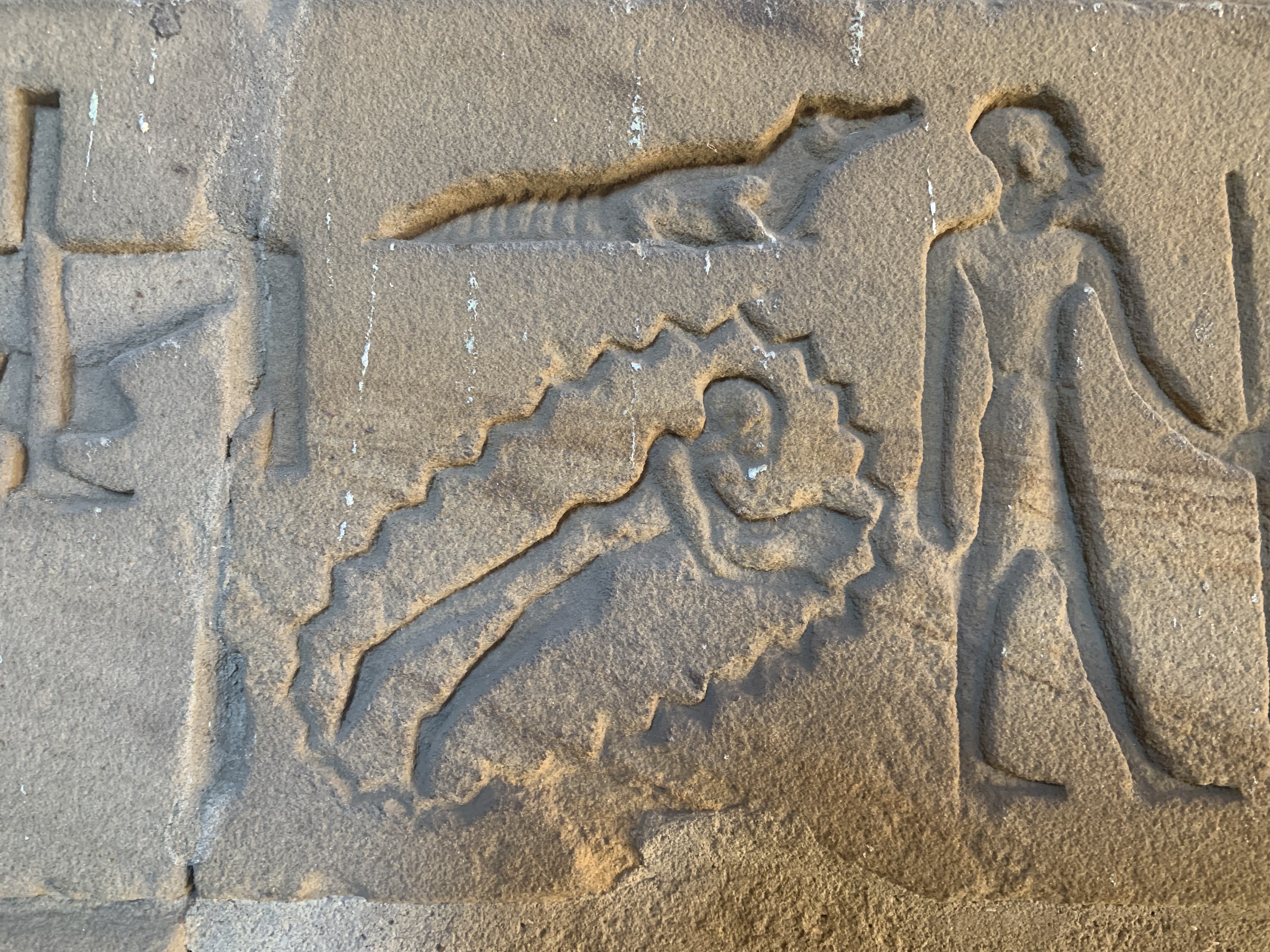
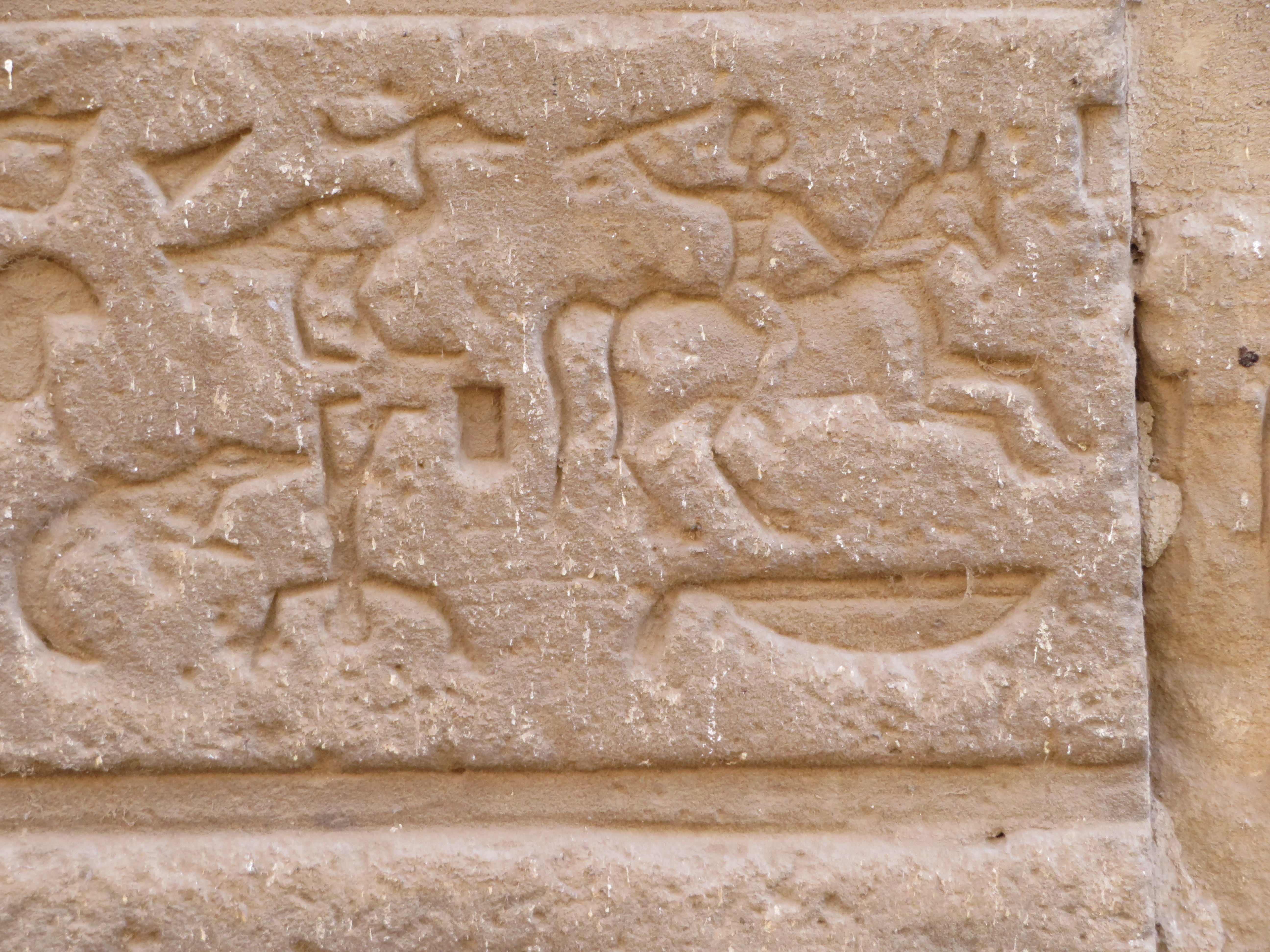
There is also a depiction on one of the columns of the Emperor Trajan dancing before the goddess Menhet, and another of an Emperor presenting a garland. And finally, on the outer wall apparently the only image in Egypt of a man riding a horse.
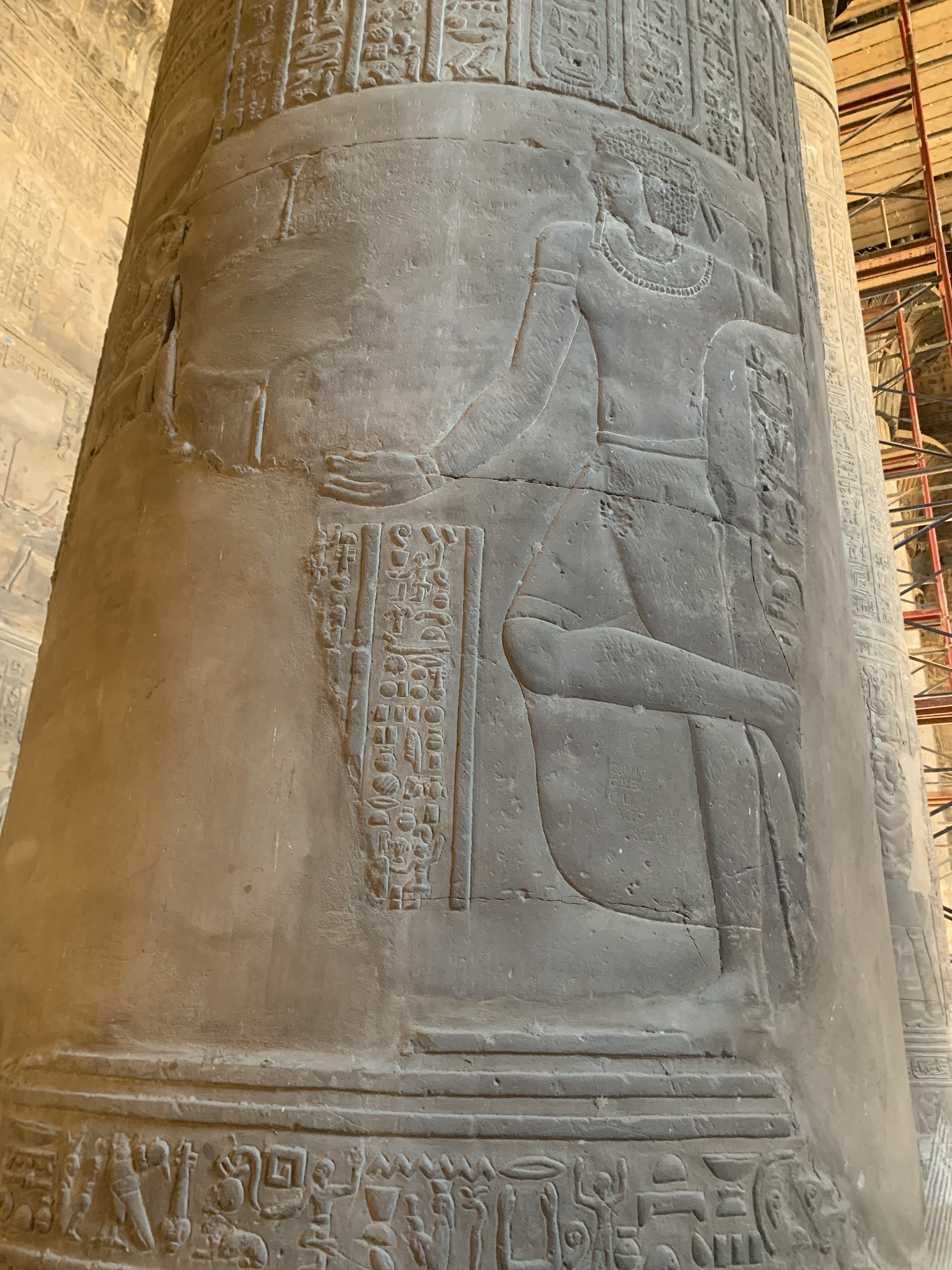
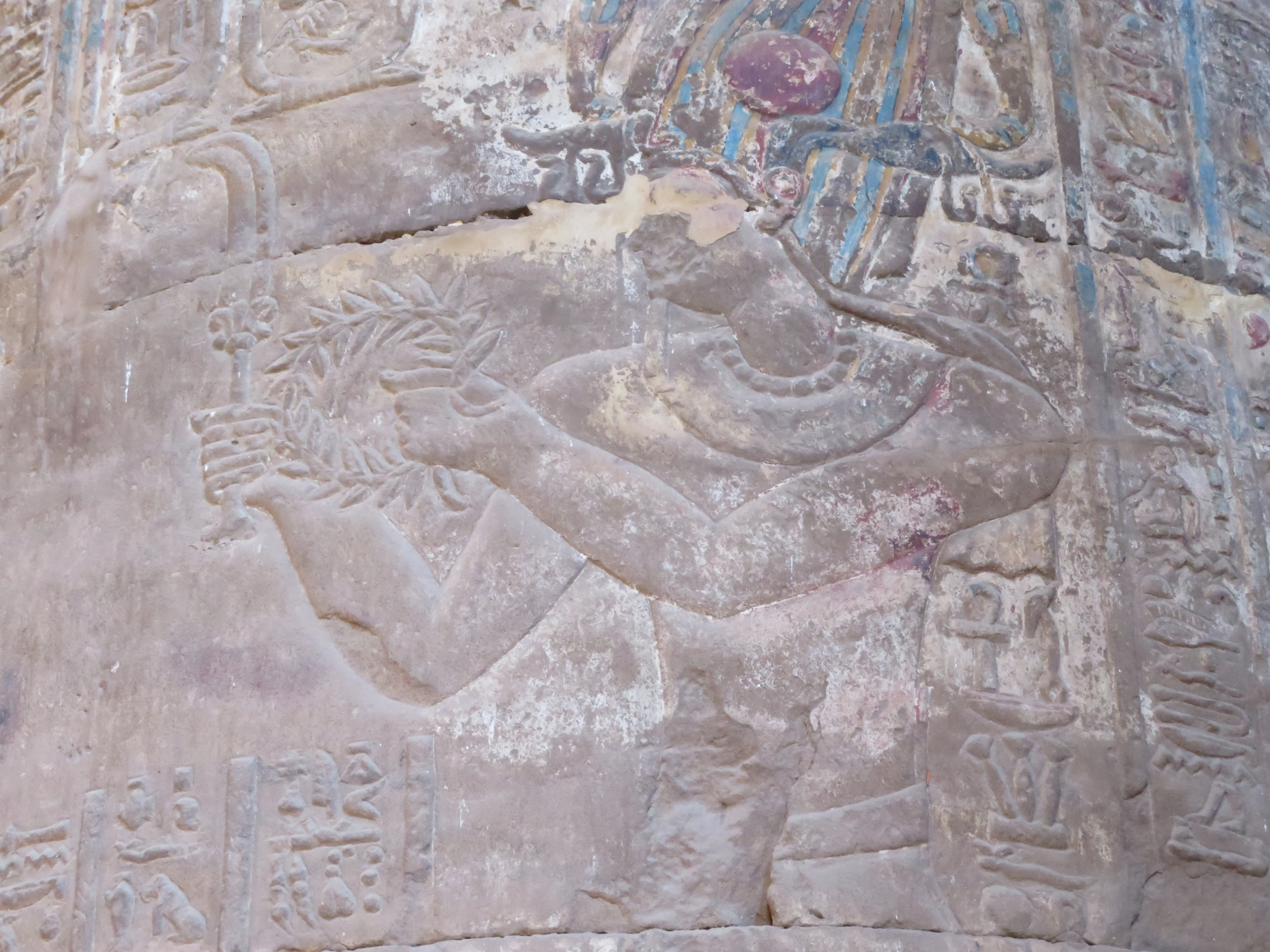
All in all, a fascinating visit to an atmospheric and evocative temple being restored to something of its former glory. And, of course, for a writer of fiction such as myself, impossible not to imagine what might be waiting to be discovered buried for millennia under the modern town that surrounds it. Surely, there must be a story there …

Fiona Deal, author of Meredith Pink’s Adventures in Egypt – Mysteries of modern and ancient Egypt – all available on Amazon.com and Amazon.co.uk in both Kindle and paperback.

An ancient temple emerges from the sands of time

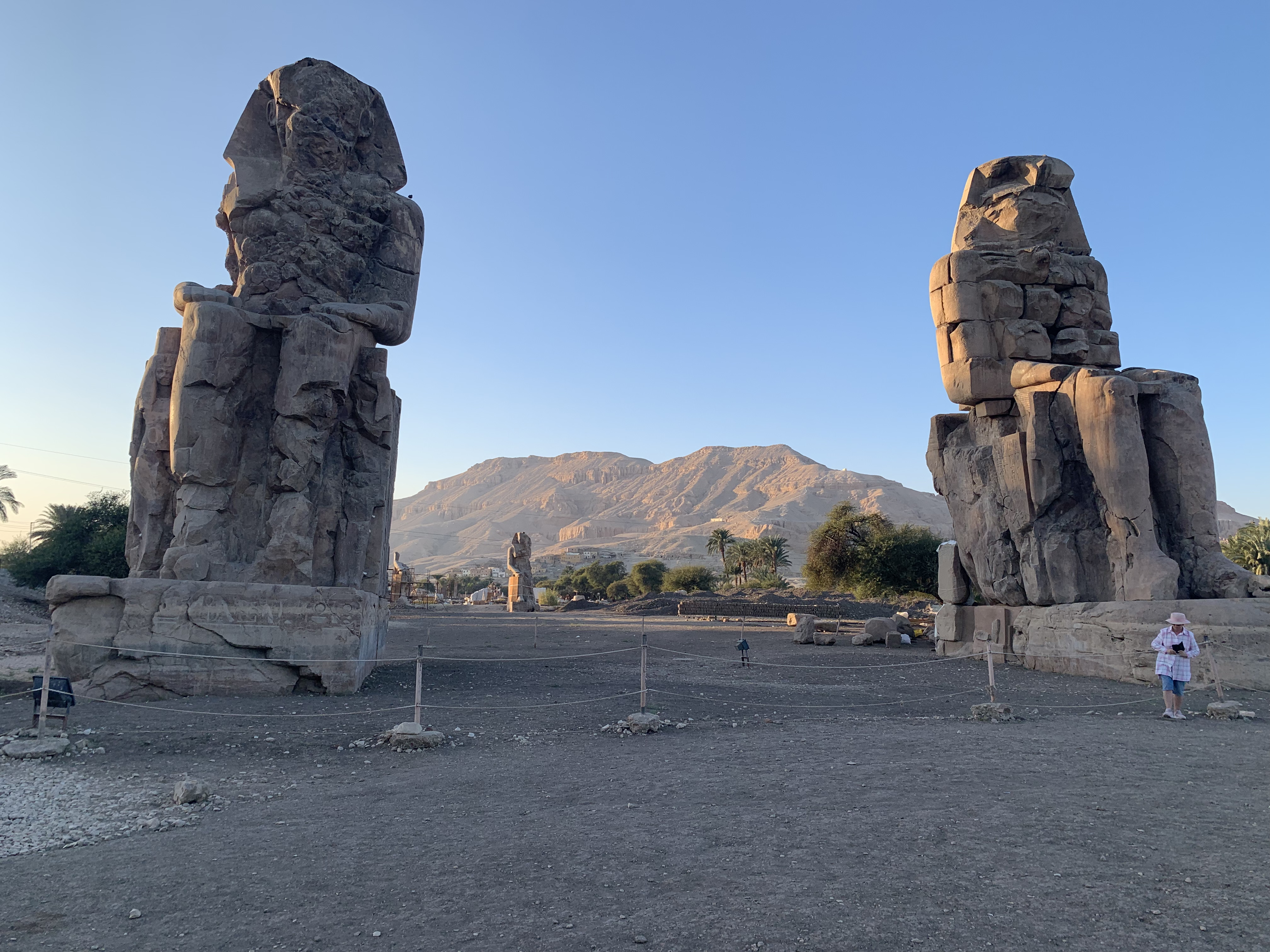
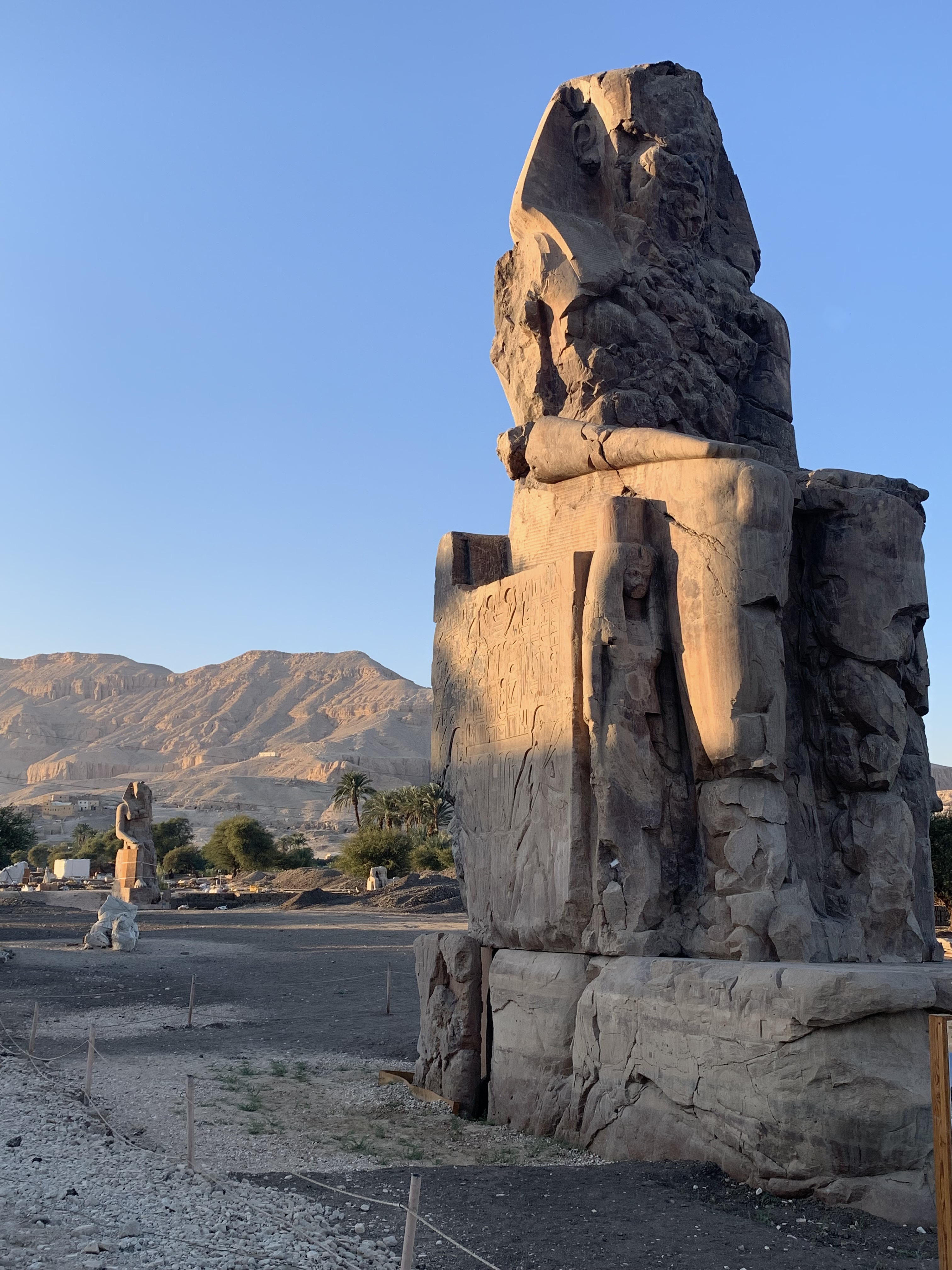
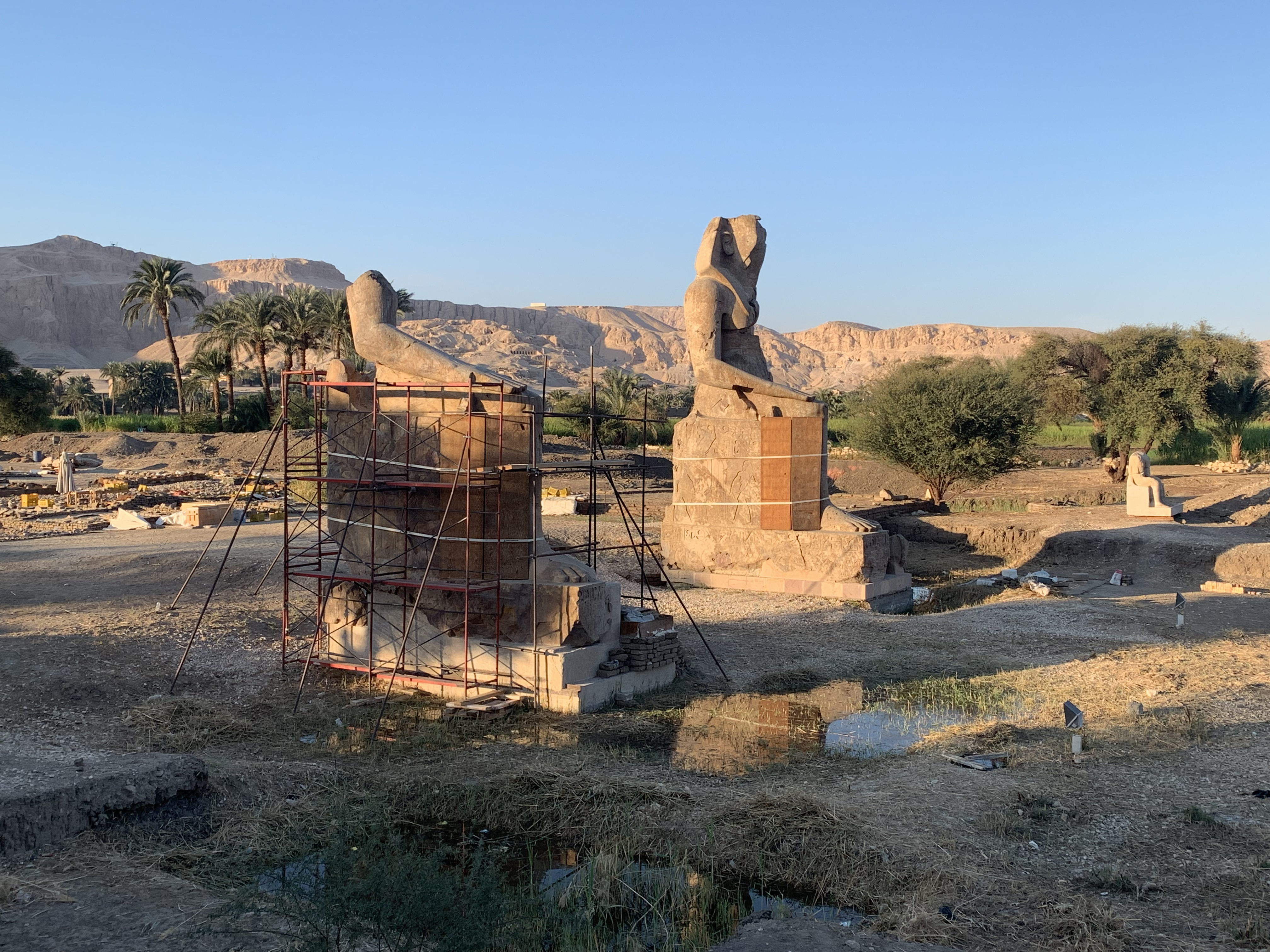
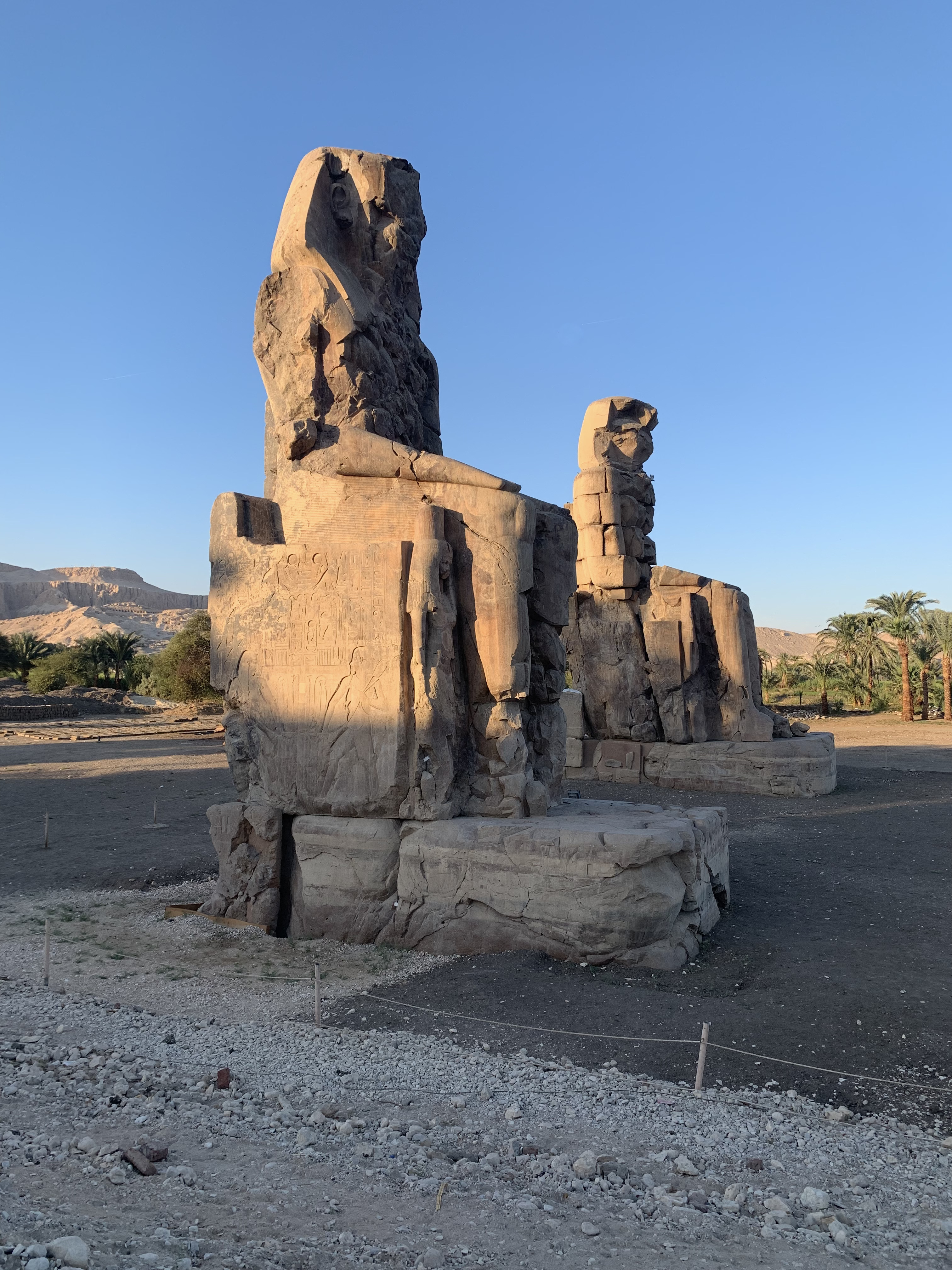
On a recent trip to Luxor in November 2021, it was fascinating to see the excavations of the ancient Memorial Temple of Amenhotep III. It’s possible to walk along the road behind the famous Colossi of Memnon and look across the excavation site. A few statues have been found and reconstructed. Others remain shattered or in blocks awaiting re-assembly.

Amenhotep III (the ‘Magnificent’) ruled in the mid-18th Dynasty of the New Kingdom, at the height of Egypt’s empire period. His Memorial Temple dates from circa 1350 BCE. When originally built, it was the largest temple structure of its kind. Even the later mortuary temples of Ramses II (the Ramesseum) and Ramses III (Medinet Habu) could not compete for size. When Amenhotep III was constructing his mortuary temple, even Karnak Temple was smaller.

People ask why so little now remains of this once gargantuan temple. Firstly, it seems the temple was very badly damaged in an earthquake that shook the Theban mortuary area in circa 1200 BCE. Huge fissures opened in the ground apparently causing complete statues to tumble into them. Another devastating earthquake occurred in circa 27 BCE. These account for much of the destruction. But it is also the case that successive pharaohs had no compunction about dismantling the structures of former rulers and re-using their stones in the construction of their own monuments. It seems Amenhotep’s memorial temple may have been particularly targeted as a quarry for future generations of builders.

All of this makes it especially fascinating to witness the modern excavation work and see the once mighty temple re-emerging from the sands of time.

In this short video clip, you can see the excavation site as it looks in late-2021 (with my apologies for the traffic noise !)

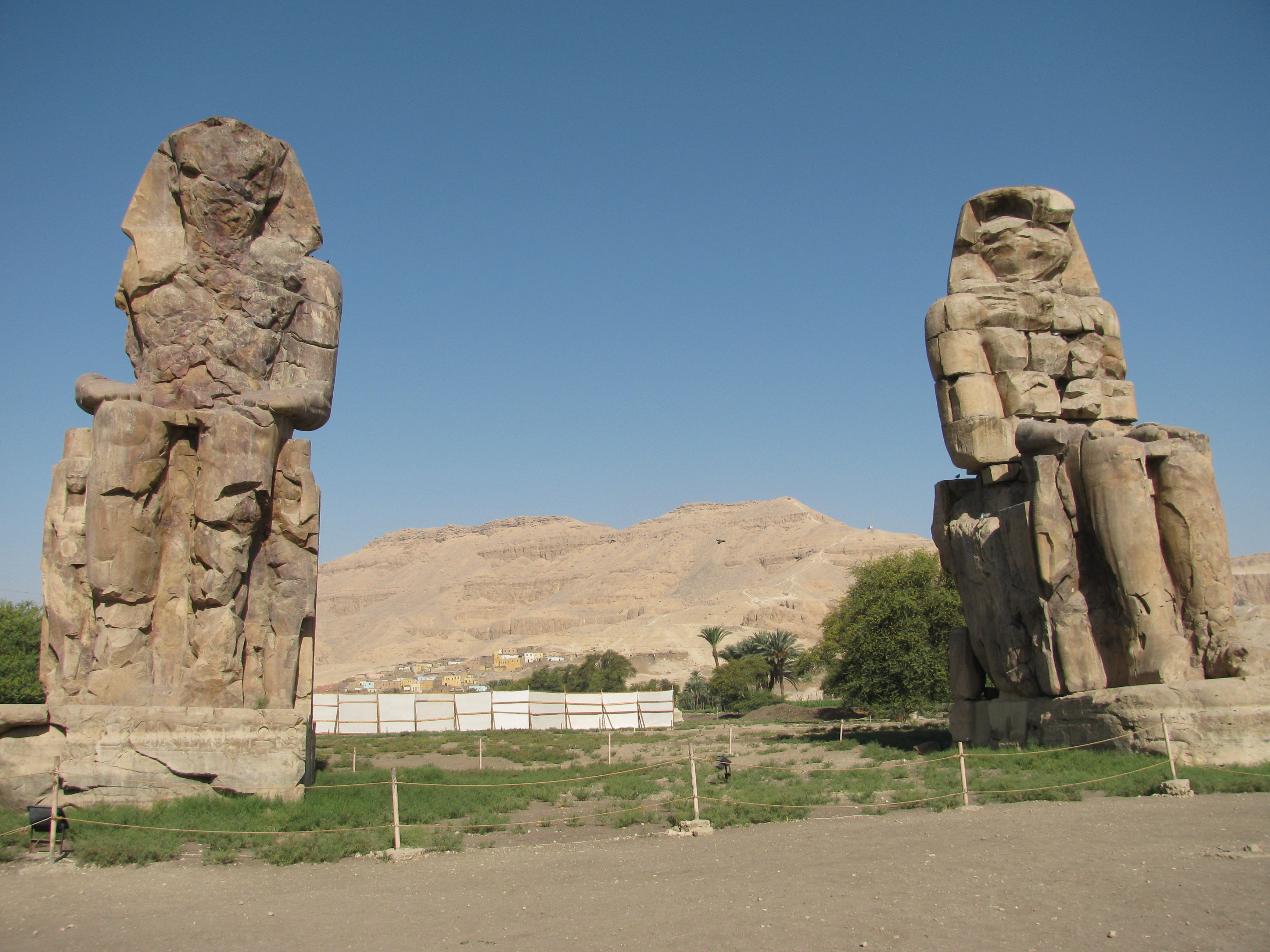
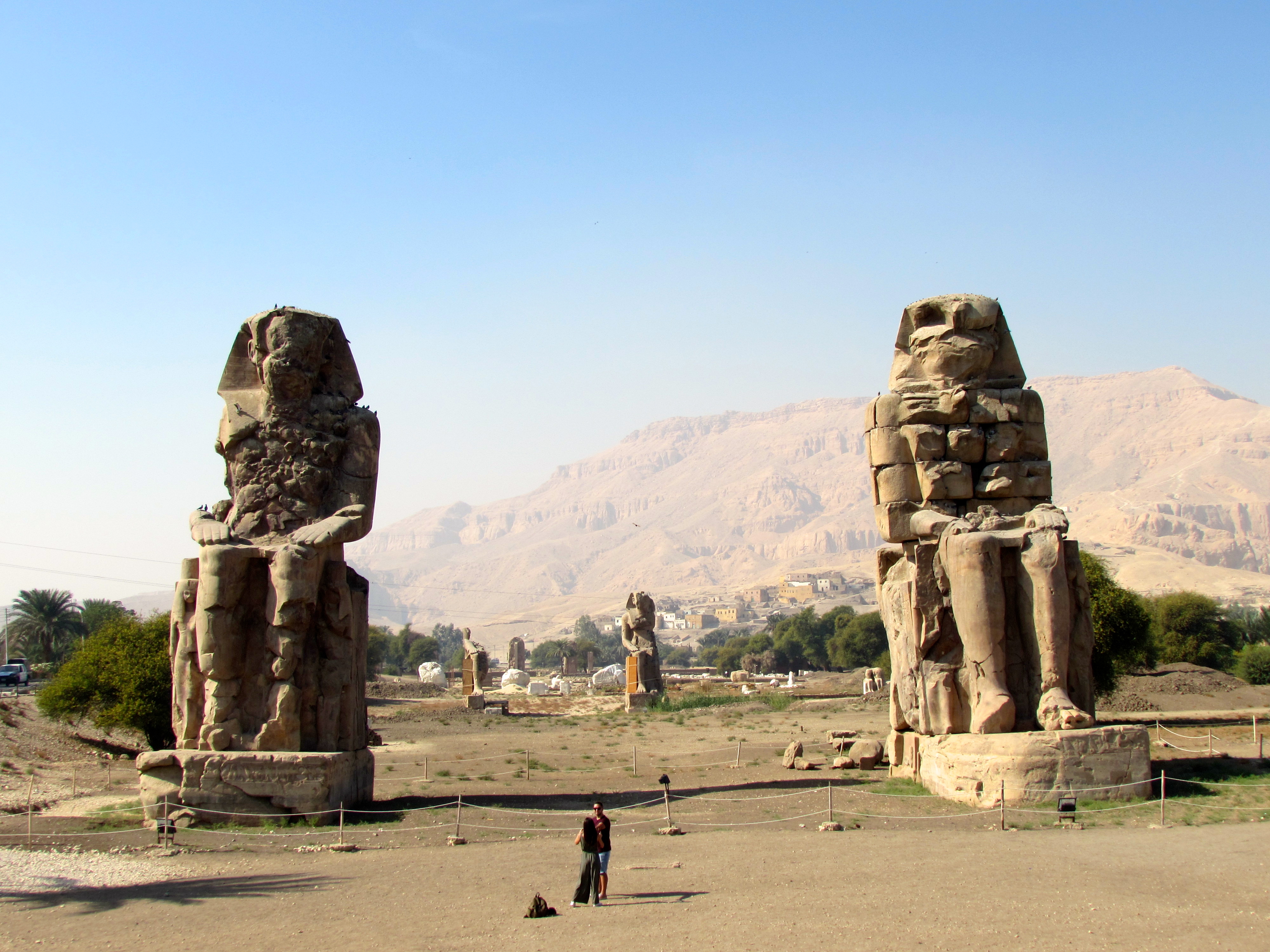
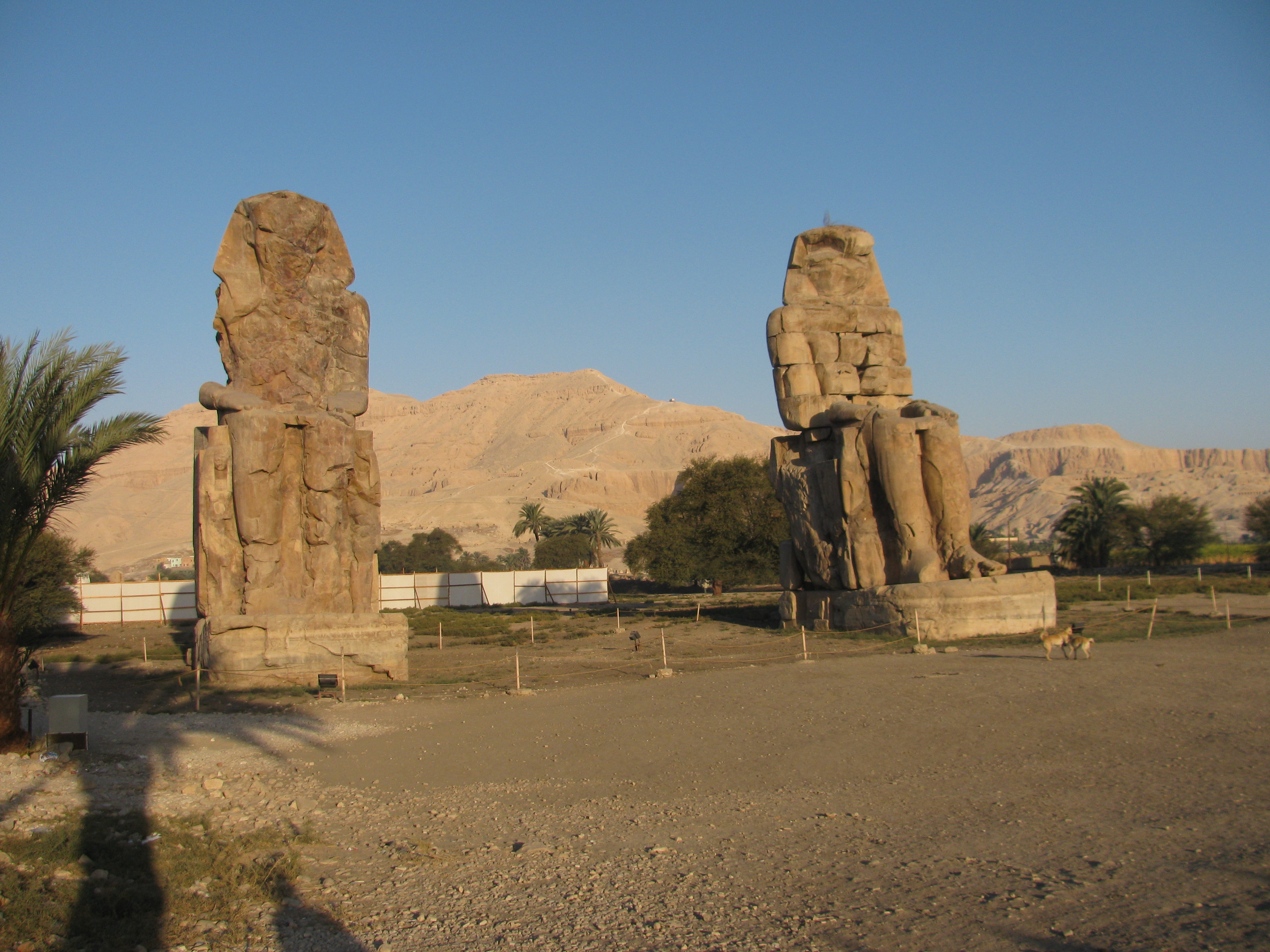
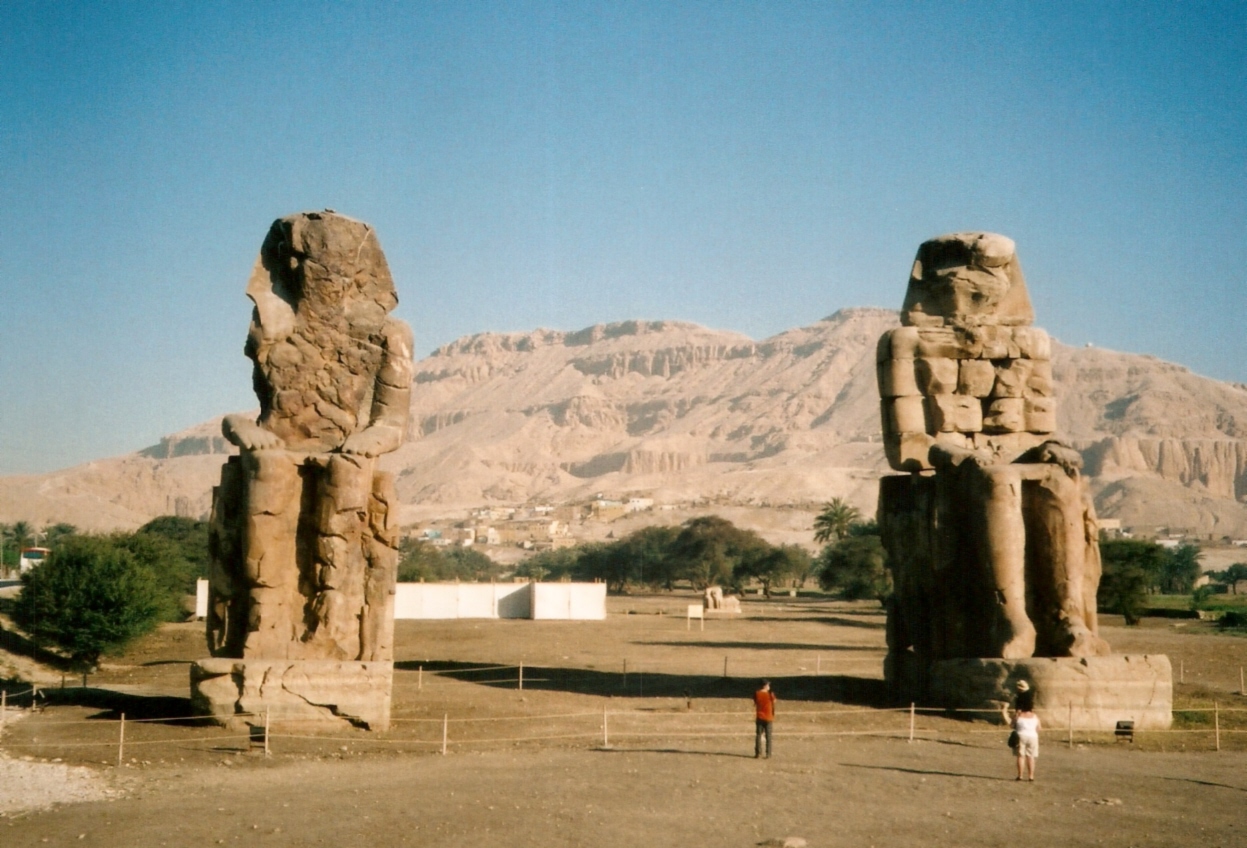
I have been visiting Egypt for a number of years. The photographs below show the Colossi of Memnon, originally with nothing but farmland behind them , then cordoned off and, more recently, with the excavation work in progress.

I very much hope that, on my next trip, it will be possible to see even more progress…

Fiona Deal, author of Meredith Pink’s Adventures in Egypt – Mysteries of modern and ancient Egypt – all available on Amazon.com and Amazon.co.uk in both Kindle and paperback.

A walk along the Avenue of Sphinxes

Through sheer good luck and great timing, I was fortunate enough to be in Luxor for the spectacular opening of the Avenue of Sphinxes.  Like many others, I watched the ceremony and celebrations on television, in my case at the Luxor apartment of Egyptian friends Waleed and Amira, enjoying the fabulous fish feast they prepared.  We could hear the fireworks exploding overhead at the end of the lavish and magical event.

Determined to make the most of actually being in Luxor for such a momentous occasion, I was among the first foreign visitors to walk along the Avenue of Sphinxes within 48 hours of its opening (teams of people were there dismantling the stage and lighting systems that hosted the president and various dignitaries and beamed the event around the world).

The short video clip below shows me talking about this remarkable place and how it felt to be among the first to visit.  Excavations of the Sphinx Avenue (also known as the ‘Ram’s Road’) started seriously in 1949.  There are black & white photographs displayed on huge poster boards along the processional route showing various stages of excavation work through recent decades.

In the years since I first visited Luxor in 1984, it has changed out of all recognition.  The decision to clear the entire 2.7km processional route between Karnak and Luxor temples was taken in 2002.  Since then, the Egyptian Ministry of Antiquities has funded an enormous project to remove significant parts of the city to excavate out the original Sphinx Avenue.  This has included re-housing large numbers of people as their homes were demolished and also moving shops, mosques and even a police station.

The Avenue runs between the two temples, approximately 2-3 meters below ground level.  It is possible to walk the entire processional route with tickets to visit both Karnak and Luxor Temples.  The Avenue of Sphinxes was originally conceived and building started under Amenhotep III (the Magnificent) in the middle of the 18th Dynasty of the New Kingdom, circa 1375 BCE and completed under Nactanebo II of the 30th Dynasty, around 375 BCE.  The ram-headed sphinxes at the Karnak end depict the Theban God Amun-Ra, while the human-headed sphinxes depict Nactanebo, the last indigenous pharaoh of Egypt.  The lion body of the sphinx is a symbol of power and protection.

In ancient times, the Sphinx Avenue was used for the annual Open Festival.  This was a major religious festival in the Theban calendar when the barque shrines (a kind of boat carried on the shoulders of priests) of the Theban Triad of Gods, Amun, Mut and Khonsu were carried between the two East Bank Temples amid scenes of rejoicing and revelry.

Excavations have revealed a number of wineries along the route, where wine was pressed and filtered.  I imagine there was much singing, dancing and possible debauchery !  The wineries date from the Roman era so it seems the processional way was still in use for festivals and rejoicing.

Error
This video doesn’t exist

While many of the actual sphinxes are missing having been lost or destroyed over the millennia, it is still possible to look along the length of the route and imagine what it must have been like in ancient times.  It is wonderful to be able to stand midway along the route and see the entrance pylon of Luxor Temple in one direction and a partially reconstructed pylon and one of the obelisks of Karnak in the other.

I feel incredibly lucky to have walked along the Avenue of Sphinxes.  Now home again as Omicron, the new Covid variant rages across the world, I feel even more so.  Definitely inspiration for more books as excavation and restoration work continues…

Fiona Deal, Author of Meredith Pink’s Adventures in Egypt, fiction books all available on Amazon. To join Merry on her adventures please click on each picture for the link.

An image of the cover of the Fiona Deal book, Carter's Conundrums

Cover of  Carter’s Conundrums. Book 1 in the series, Meredith Pink’s adventures in Egypt.

An image of the cover of the Fiona Deal book, Tutankhamun’s Triumph.

The cover of the Fiona Deal book, Tutankhamun’s Triumph. Book 2 in the series, Meredith Pink’s adventures in Egypt.

An image of the cover of the Fiona Deal book, Hatshepsut’s Hideaway.

The cover of the Fiona Deal book, Hatshepsut’s Hideaway. Book 3 in the series, Meredith Pink’s adventures in Egypt.

An image of the cover of the Fiona Deal book, Farouk’s Fancies.

The cover of the Fiona Deal book, Farouk’s Fancies. Book 4 in the series, Meredith Pink’s adventures in Egypt.

An image of the cover of the Fiona Deal book, Akhenaten’s Alibi.

The cover of the Fiona Deal book, Akhenaten’s Alibi. Book 5 in the series, Meredith Pink’s adventures in Egypt.

An image of the cover of the Fiona Deal book, Seti’s Secret.

The cover of the Fiona Deal book, Seti’s Secret. Book 6 in the series, Meredith Pink’s adventures in Egypt.

An image of the cover of the Fiona Deal book, Belzoni’s Bequest.

The cover of the Fiona Deal book, Belzoni’s Bequest. Book 7 in the series, Meredith Pink’s adventures in Egypt.

An image of the cover of the Fiona Deal book, Nefertari’s Narrative.

The cover of the Fiona Deal book, Nefertari’s Narrative. Book 8 in the series, Meredith Pink’s adventures in Egypt.

An image of the cover of the Fiona Deal book, Ramses’ Riches.

The cover of the Fiona Deal book, Ramses’ Riches. Book 9 in the series, Meredith Pink’s adventures in Egypt.