Levison Wood. Walking the Nile

Unknown

Photo Credit : Channel 4

Last night I watched the last episode of Channel 4’s documentary ‘Walking the Nile’.  This four-part series followed former soldier Levison Wood as he set out to walk along the longest river on earth, from its source in deepest Africa, to the shores of the Mediterranean Sea in Egypt.  That’s 7 million steps and nine months of solid walking!

This was an impressive undertaking, given the heat, the distance and the painful foot blisters (shown in all their graphic glory!).

I found myself unexpectedly moved when Mr Wood – or ‘Lev’ as he introduced himself – reached the end of his epic journey and dived into the sea before an emotional reunion with his family.

I’ll be honest and say I haven’t watched all four episodes although I’ve seen bits of the previous ones, showing Levison travelling through Ethiopia and Sudan.  It was the final leg of his journey – through Egypt – that I wanted to see.  I’d hoped this might show Egypt in a light that would encourage tourists to return.  In this wish, I was disappointed.

I’m sure much of the challenge for Levison Wood was to be seen to walk through parts of the world that might be described as ‘trouble spots’.  He’s a battle-hardened man, who’s made a name for himself trekking across war zones.  But, to me, it was disappointing to see Egypt given this treatment.

I’m not so naive as to think everything in the garden is rosy in Egypt.  The News reports over the weekend of clashes in Cairo marking the 4-year anniversary of the Revolution to topple Hosni Mubarak – which have left 18 people dead – are testament enough to the on-going political unrest.  But I thought the Walking the Nile documentary was overly skewed towards portraying a country apparently rife with gun smugglers, where the atmosphere is one of tension and mistrust of foreigners.

In my 11 visits to Egypt (including trips in each of the last four years 2011-14), I have never experienced this sense of unease at all.  Admittedly, I have been a visitor to Luxor, not to any of the towns previously strongholds for the now outlawed Muslim Brotherhood.  Even so, I thought Egypt was misrepresented in last night’s programme.

Levison Wood paused briefly to enjoy the hospitality of the famous Old Cataract hotel in Aswan.  Previously host to Sir Winston Churchill and Agatha Christie, the hotel was conspicuously devoid of guests.  He also made short stops at some of the temples along Lake Nasser (although we weren’t shown him visiting Abu Simbel, despite the promise of the opening titles) and in Luxor.  But the jaw-dropping history and archaeological sites of Egypt were given scant air time, brushed over in favour of scenes of Mr Wood being followed by the police.  In this, too, I felt the Egyptian authorities were done a disservice.  It seemed clear to me the police officers concerned were good natured and concerned for Mr Wood’s safety whilst in their country, nothing more sinister than that.

I’m not sure what it will take for tourists to venture back to Egypt.  To be fair, the purpose of Channel 4’s documentary was not to be a travelogue.  Nevertheless I thought it a shame that such a spectacular country, one with so much to offer its visitors, was represented as a war zone.

I applaud Levison Wood for his courageous journey.  What a remarkable achievement.  Nevertheless, I hope I will be believed when I say Egypt remains a fabulous destination for a holiday.  I hope to go again during 2015, and make it a fifth consecutive year for a visit.  True, I may not have Cairo on my itinerary – and I will certainly avoid the Sinai Peninsula.  But Luxor is a treasure not to be missed.  I hope even Levison Wood would agree with that !

Fiona Deal

Author of Meredith Pink’s Adventures in Egypt – a series of mystery/adventure novels set in Luxor.  Available on Amazon.

BookCoverPreview.doBookCoverPreview.doHatshepsut's_Hideawa_Cover_for_KindleBookCoverPreview.doBookCoverPreview.doBookCoverPreview.do

Tutankhamun’s Death Mask damaged

ekwva5v7srjibrfg1skwIt just goes to show … fact can sometimes be stranger than fiction !  Yesterday, 22 January 2015, the story hit the world’s headlines that the famous death mask of Tutankhamun, on display at the Egyptian Antiquities Museum in Cairo, was allegedly damaged last year.  The blue plaited beard was apparently knocked off.  A botched repair job appears to have been undertaken to glue it back on with epoxy, leaving a discernible line of glue.  To make matters worse, it’s reported that attempts to scratch off the visible glue inflicted more damage.  There are conflicting reports about whether the damage was purely accidental, or whether the – detachable – beard was knocked off during cleaning.

A committee has now been set up to investigate exactly what happened.

Whatever the truth or real circumstances of what happened, this story raises all sorts of questions about the protection, care and preservation of Egypt’s ancient artefacts in the years since the revolution that removed Hosni Mubarak in February 2011.

My series of novels following Meredith Pink’s Adventures in Egypt has many scenes set at the Egyptian Museum in Cairo.  A couple of my key fictional characters work there.  I suspect had I included something like accidental damage to Tutankhamun’s death mask as part of one of my stories, I’d have been told it was too far-fetched and could never happen.  These reports just go to show that truth really can be stranger than fiction !

We can only hope the investigation will get to the bottom of what really happened, and lessons will be learnt.

Fiona Deal

Author of Meredith Pink’s Adventures in Egypt – available on Amazon.
BookCoverPreview.doBookCoverPreview.doHatshepsut's_Hideawa_Cover_for_KindleBookCoverPreview.doBookCoverPreview.doBookCoverPreview.do

Causeway of the Great Pyramid Found

underground-gateway-giza

Photo Credit : Ahram.org

Reading ‘Ancient Origins’ online, I see a report that after years of searching, the causeway for the Great Pyramid of Egypt has been found.

As is often the case, the facts read like something from a novel: a local resident living near the Giza Plateau was illegally digging beneath his home when he discovered a tunnel leading to the Pyramid of Khufu, the largest of the three pyramids in Giza.

Apparently a resident in the village of El Haraneya in Giza, a prohibited area for drilling, began digging beneath his house to a depth of about 10 meters.  He discovered a passage consisting of huge stone blocks.

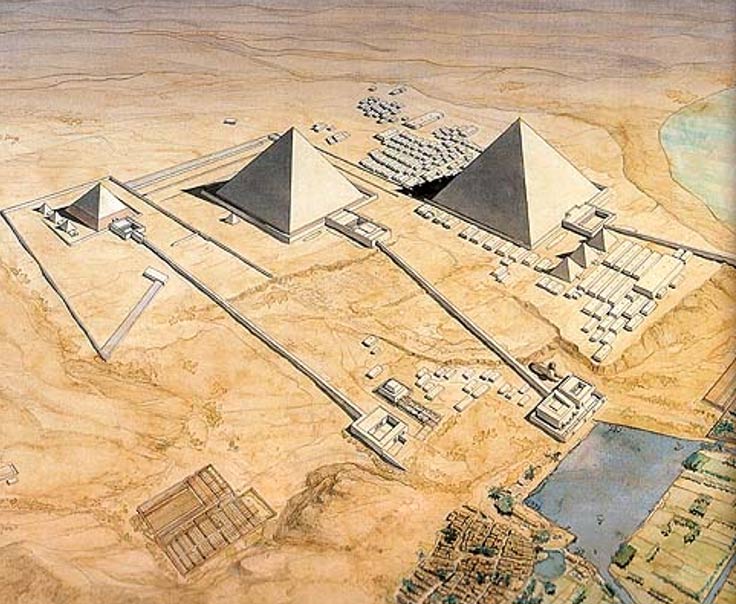
reconstruction-of-the-pyramids-of-Giza-causeways

Artists impression showing pyramid causeways. Credit: Saint Anselm College

The Minister of Police for Tourism and Antiquities was alerted to the discovery (it’s not clear whether this was by the resident himself). Whatever, security forces immediately placed a cordon around his property.  An archaeologist was placed in charge of a committee to investigate. The committee’s report confirms the finding of the corridor leading to the Great Pyramid, the oldest and largest of the three pyramids in Giza.  It’s thought these causeways were covered corridors or passages linking each pyramid to its temple complex or maybe with the Nile.

How exciting!  I love it when new discoveries are made in Egypt.  As a writer of fiction, it’s a never-ending source of inspiration.

What became of the resident beneath whose home the causeway was found is not clear.  Perhaps I can somehow weave him into a story !

Fiona Deal

Author of Meredith Pink’s Adventures in Egypt

BookCoverPreview.doBookCoverPreview.doHatshepsut's_Hideawa_Cover_for_KindleBookCoverPreview.doBookCoverPreview.doBookCoverPreview.do


My top 10 historical sites in Egypt

I’ve visited Egypt 11 times in total, since falling in love with it on my first visit with my parents in 1983.  Now I write a fictional adventure / mystery series set there : Meredith Pink’s Adventures in Egypt.  There are six books in the series so far.  Each is a modern adventure with an ancient Egyptian mystery at its heart.

As a frequent visitor to Egypt, I thought it would be fun to compile a list of my favourite places to visit.  This list is my personal top 10, so feel free to disagree with me. I think I’ll do it as a countdown …

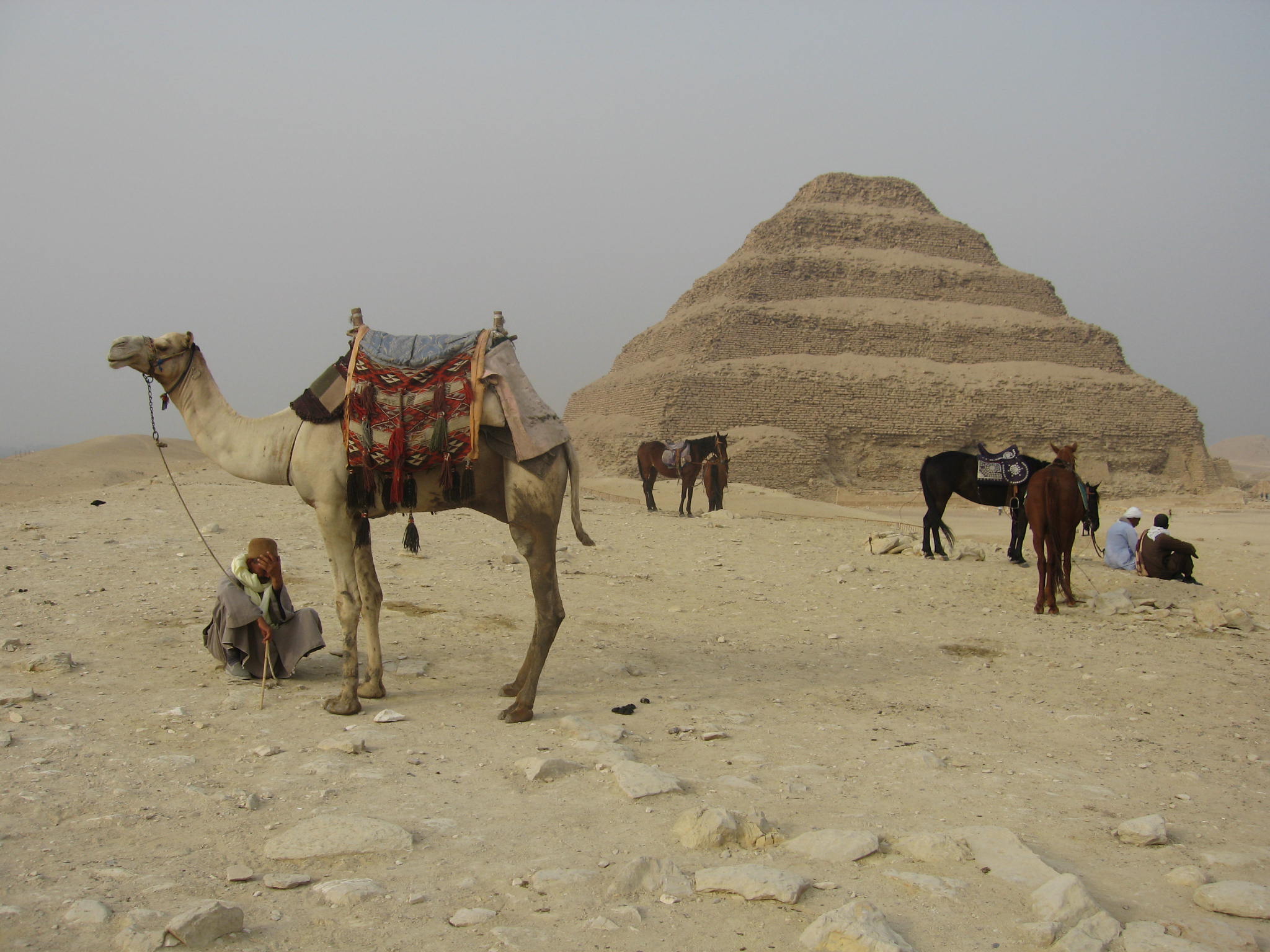
IMG_4517So, in at number 10. The stepped pyramid at Sakkara (or Saqqara as it’s sometimes spelled). My lead characters Merry and Adam take a trip to see the stepped pyramid in my first book Carter’s Conundrums. II was last at Sakkara in 2008.

IMG_4625


At number 9, the Temple of Edfu, probably the best preserved of all the ancient Egyptian temples. It dates from the Graeco-Roman period, and is included on any Nile cruise itinerary. It’s the location of a scene in Hatshepsut’s Hideaway, the third book in my series.

Here I am outside the main pylon – March 2008.


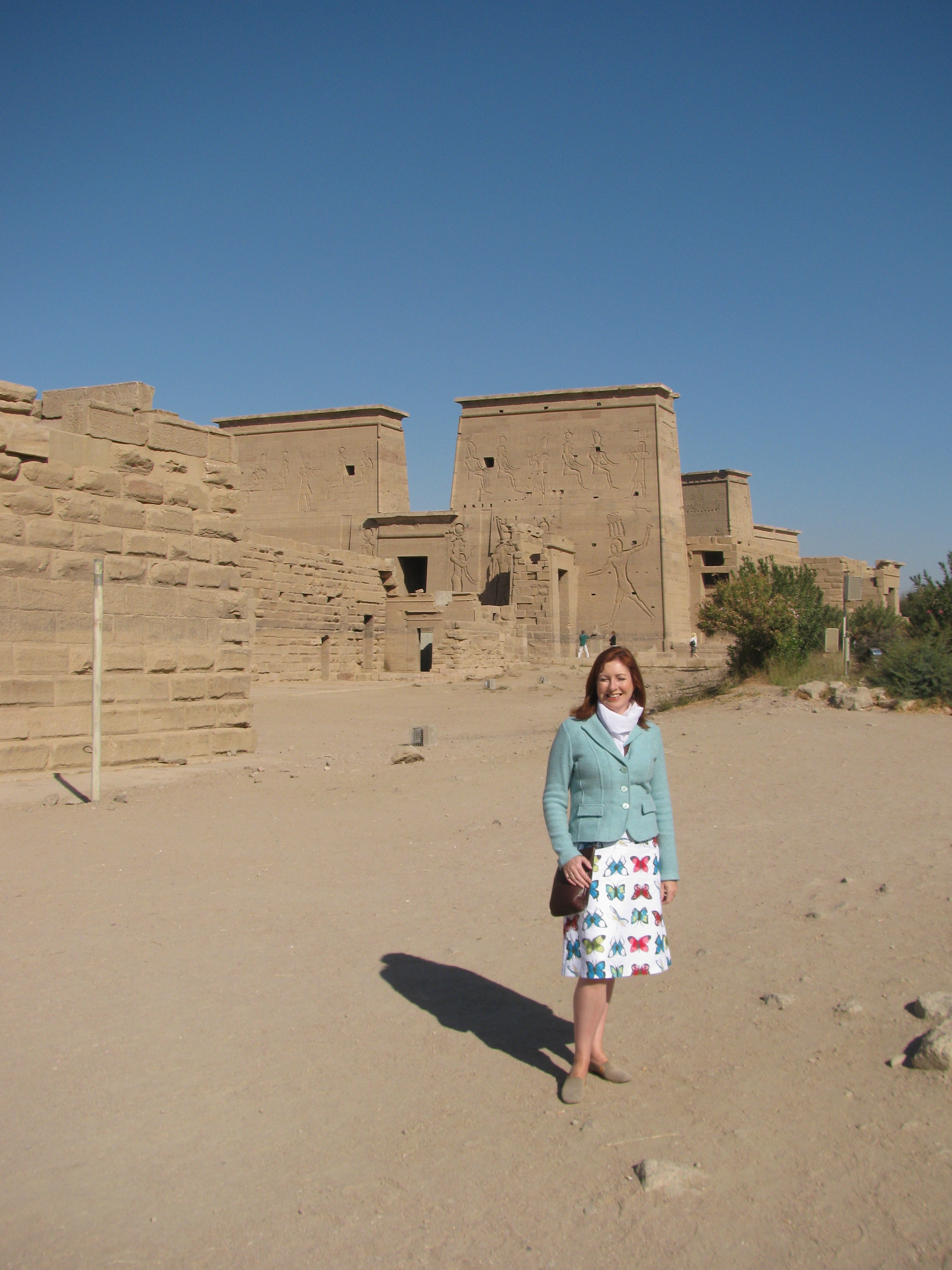
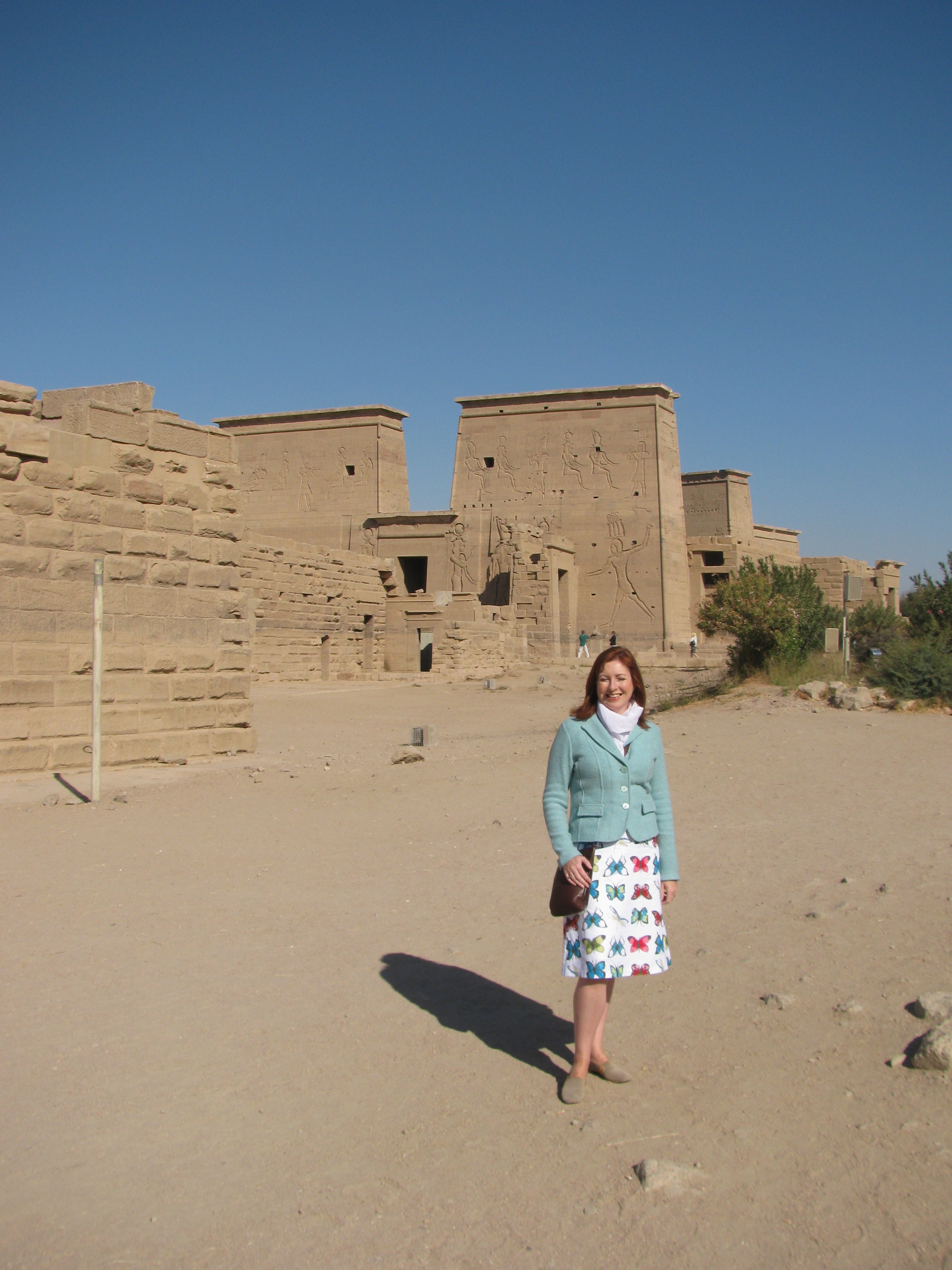
IMG_4215At number 8, the Temple of Philae, near Aswan. It’s a lovely temple, also dating from the Graeco-Roman period, and dedicated to the goddess Isis. It was rescued by UNESCO as after the British dam was built in the early twentieth century it spent half the year under water. UNESCO moved it piece by piece to the nearby island of Agilika. Not yet used as a location in my books. Here I am in January 2012.


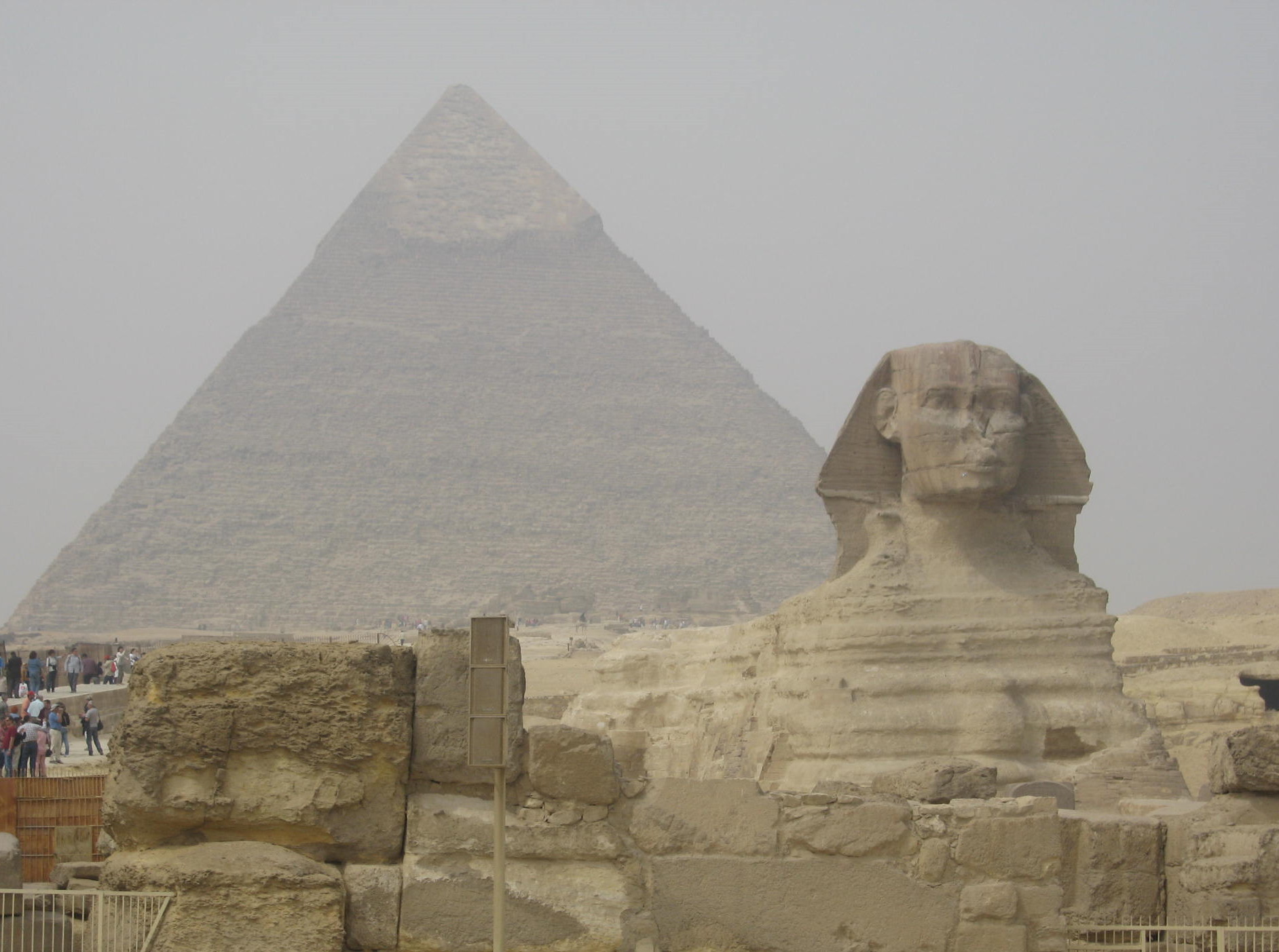
IMG_4505Number 7 is the pyramid and sphinx (not sure if it’s cheating to put them together) on the Giza plateau in Cairo. The pyramids tower over the surrounding suburbia. Merry sits near the swimming pool in Le Meridien hotel, gazing in awe at the pyramids in my second book Tutankhamun’s Triumph.

IMG_0825


At number 6, I’ll go for the Temple of Medinet Habu, built by Ramses III and located on the West Bank at Luxor. It’s not always included in the touring itineraries, but well worth an independent visit. The original colours are beautifully preserved.

Not yet used as a location in my books.


scan0108


At number 5, The Valley of the Kings. A barren, desolate and rather forbidding place … once stuffed with enough gold to sink a battle ship, buried in the tombs of the dead pharaohs. It’s forbidden to take photographs nowadays – so here’s one of me taken back in 2004. The Valley of the Kings features prominently in all of my novels.


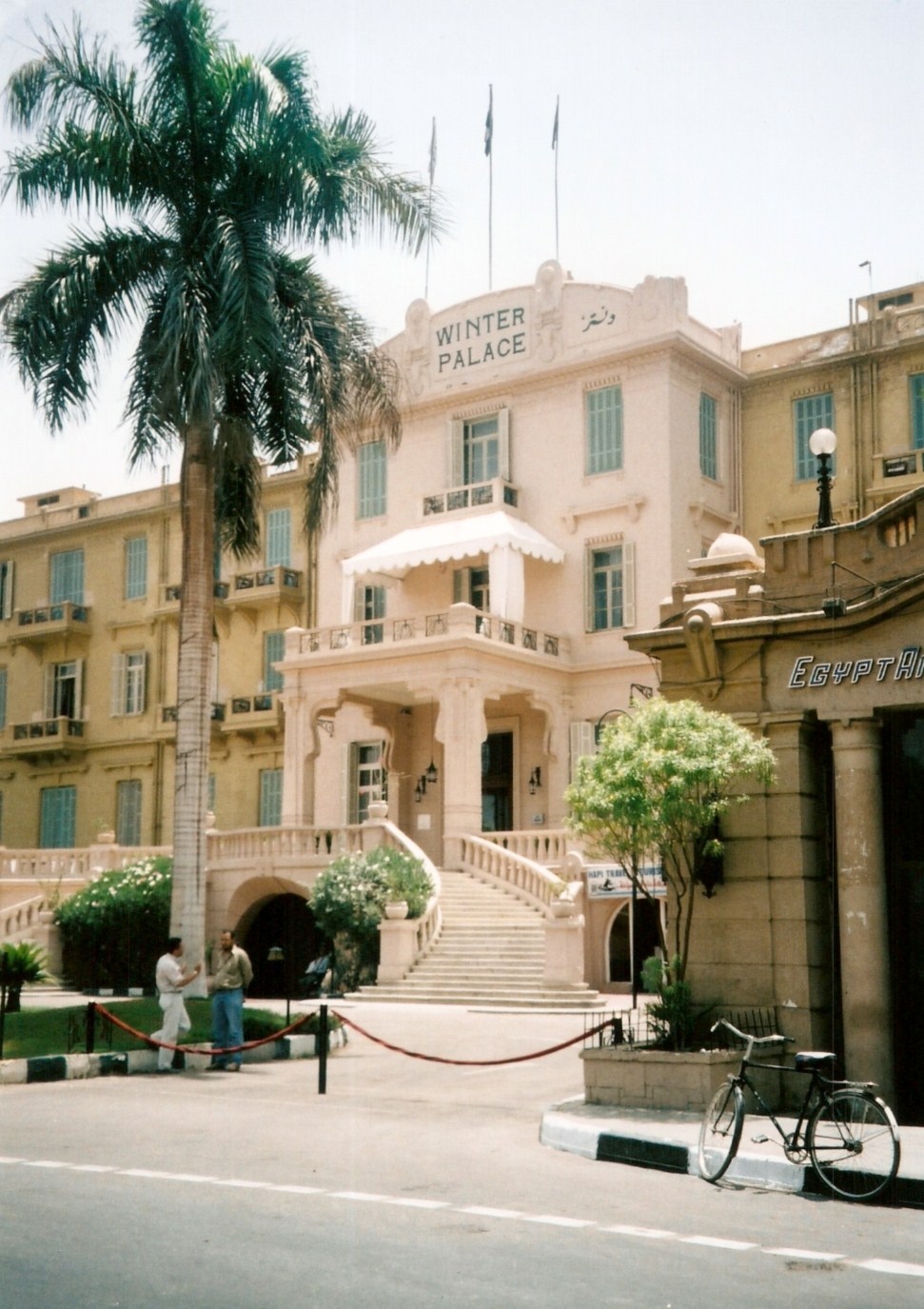
scan0141Number 4, the wonderful Winter Palace hotel. I was lucky enough to stay here for New Year in 2008-9; the best New Year’s Eve ever! Frequented by both Howard Carter and Lord Carnarvon in the years leading up to the 1922 discovery of Tutankhamun.

Once used literally as a palace for King Fuad and King Farouk I used it as a location in both Carter’s Conundrums and Farouk’s Fancies.


DSCN5281So, to my personal top 3.

At number 3 I think it has to be Hatshepsut’s Temple on the West Bank in Luxor. It features prominently in all six books. Set dramatically against the craggy cliff face at Deir el Bahri, and backed by the Valley of the Kings, it’s rich with dramatic potential.

IMG_2940


At number 2, the complex of temples that make up Karnak. The Hypostyle Hall takes my breath away every time I go there. The temple is the largest religious structure ever built. Words are inadequate to the task of describing it. As yet, I’ve perhaps not made as much of its dramatic potential as I could.  Merry and Adam go there to look at the obelisks in Carter’s Conundrums.


IMG_4480


So, we’ve arrived at number 1. Personally, for sheer egotistical magnificence, I don’t think you can beat the temples of Abu Simbel, built by Ramses II. Yes, I’m cheating again. There are actually two temples… one for Ramses himself, and a smaller one for his great royal wife Nefertari. I walked around the latter with a lump in my throat – it’s exquisite. They’re also a marvel of modern engineering, raised to higher ground by UNESCO to escape the rising waters of Lake Nasser.

IMG_4482

So, there you have it. My personal top 10. I’ve not mentioned Luxor Temple, the Ramesseum, Denderah, Abydos – all equally awe-inspiring. … Great! Another reason to go back and loads more opportunities for book settings ! I guess maybe I should have done a top 20!

Fiona Deal

Author of Meredith Pink’s Adventures in Egypt, available to download or in paperback on Amazon.

BookCoverPreview.doBookCoverPreview.doHatshepsut's_Hideawa_Cover_for_KindleBookCoverPreview.doBookCoverPreview.doBookCoverPreview.do


Is it always hot in Egypt…?

Sitting at home in the UK in January (blue sky but only 4 degrees C outside) it’s easy to dream about Egypt as somewhere always hot.  Not so.  Sunny, yes.  But not necessarily warm.  My friends in Luxor are complaining about the cold on their Facebook posts at the moment.

On a Nile cruise in January 2012 it was so chilly I was forced to use the hairdryer as a fan heater – hooking it over the bathroom door so it would warm up the cabin.

IMG_4215

Philae Temple – January 2012


Here I am dressed in my woollens to stave off the chill …


11412_10205566437790957_6364322635031442585_n

Photo: Ahmed Sayed Ahmed


This was the Sinai Peninsular near St Catherines a couple of days ago…


10373641_578823118920559_4959212883660329620_n

Photo : Jaime Clark-Soles


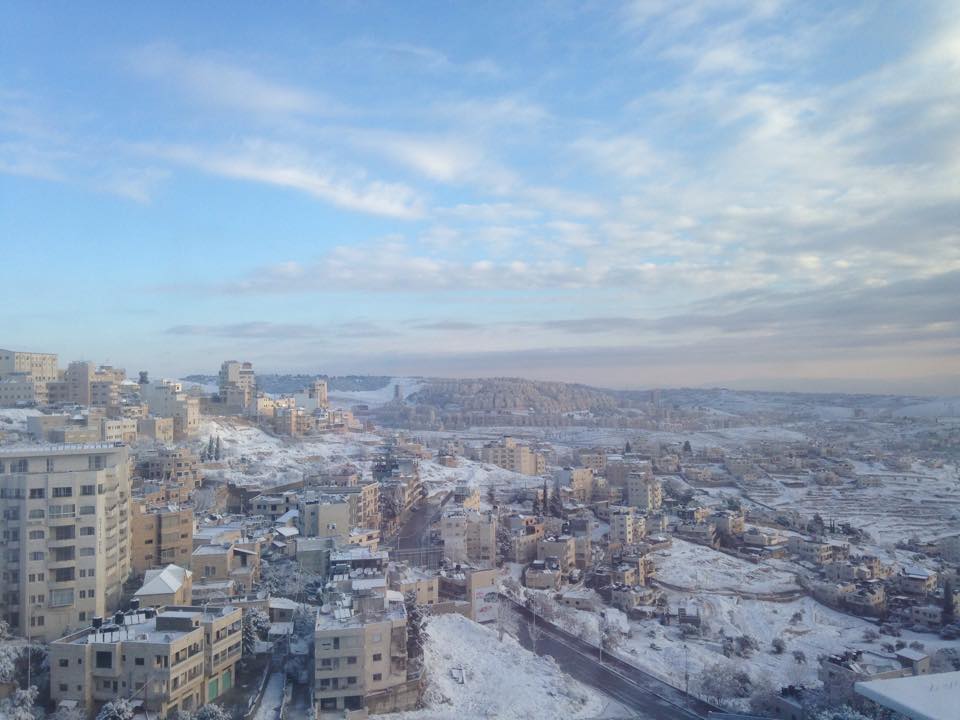
And this picture was taken last week in Israel …


So, sitting in the UK in midwinter dreaming of warmer climes is all very well.  But warmth is not guaranteed, even in Egypt !  So, maybe just for January, I’ll stick to going there in my imagination.

Fiona Deal

Author of Meredith Pink’s Adventures in Egypt

BookCoverPreview.doBookCoverPreview.doHatshepsut's_Hideawa_Cover_for_KindleBookCoverPreview-2.doBookCoverPreview.doBookCoverPreview.do


A frequent visitor to Egypt

BookCoverPreview.do

I’ve been asked recently if I live in Egypt as that’s where my fictional series following Meredith Pink’s Adventures is set.  I don’t.  But I’ve been a frequent visitor over the years.

I feel a strong sense of belonging, which is perhaps the next best thing to calling somewhere ‘home’.

IMG_4744My most recent trip was in July 2014, staying at the lovely Jolie Ville hotel, on its own island just outside Luxor.  This was my third trip to the Jolie Ville, which features as a location in the first three books in the series: Carter’s Conundrums, Tutankhamun’s Triumph and Hatshepsut’s Hideaway.  I also stayed there in 2011 (a few weeks after the Revolution) and 2009.  Tourism has been hit hard by the political upheaval of recent years.  In July 2014, I was one of only 24 guests at the hotel, which caters for something like 1,600.  Great for private use of the pool, but not for the staff who work so diligently to give guests a memorable stay. It’s tragic to see it like this, and I urge visitors to return.  I’ve always felt completely safe.

It’s fair to say in the last decade, I’ve been to Egypt almost every year; sometimes cruising the Nile, sometimes touring, and sometimes staying in either Luxor or Cairo.  To my way of looking at it, Egypt has everything: guaranteed sunshine and warmth, friendly people, great food and fascinating places to visit.  If you’re interested in ancient history or archaeology, so much the better.  Egypt is a place to capture the imagination and the heart.  I was hooked from my very first trip back in the mid-eighties when my parents took my brother and me for a half-term break one October.  We split our time between Cairo and Luxor and I remember I came home with my head spinning.

Now I write adventure/mystery stories based in Egypt.  So even when I’m unable to be there for real, I can travel there inside my head.  I hope the books enable my readers to experience the land I love so much too.

Fiona

Author of Meredith Pink’s Adventures in Egypt – ancient mysteries wrapped up in modern adventures.

BookCoverPreview.doBookCoverPreview.doHatshepsut's_Hideawa_Cover_for_KindleBookCoverPreview.doBookCoverPreview.doBookCoverPreview.do


What lies beneath …?

Photo by Paolo Bondielli Min Project – Luxor Times

Published in the Luxor Times on 1 January, the first discovery in Egypt of 2015.  Found in Qurna, on the Nile close to Luxor, this is an Osirieon, a kind of God’s tomb, dedicated to Osiris.  It just goes to show how much still lies buried beneath the sands of Egypt, awaiting discovery.

As a fiction writer of an adventure/mystery series set in present-day Egypt, these continued discoveries are beyond thrilling.  My characters have been lucky enough to make a few discoveries of their own.  Some might say their ‘finds’ are far-fetched, and they’d probably be right.  My characters are not archaeologists or excavators.  Meredith (Merry) Pink starts her adventures in Egypt as a simple holidaymaker.  She counts herself fortunate when she meets a would-be Egyptologist who then introduces her to a professor who is the real thing, and can help her out with what she’s found.

BookCoverPreview.do

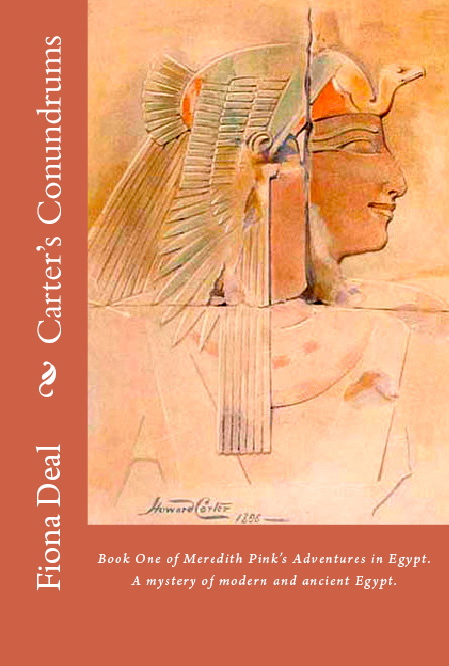
Carter’s Conundrums is Merry’s first adventure.  It’s the story of an accidental discovery that sheds new light on Howard Carter’s discovery of Tutankhamun’s tomb.  And it poses a few questions about what else he might have found that the world wasn’t told about at the time…      Writing it, I gave myself the imaginary holiday of a lifetime!  I hope it does the same for my readers.

There are a further five books so far in the series.  In each one Merry plays a part in unlocking a secret from Egypt’s ancient past.  The series is a joy to write and all the time new discoveries are coming to light, I know there will be plenty more ancient Egyptian mysteries for Merry to explore.

All six books in the series following Meredith Pink’s Adventures in Egypt are available to download or in paperback on Amazon.

Fiona Deal

BookCoverPreview.doBookCoverPreview.doHatshepsut's_Hideawa_Cover_for_Kindle BookCoverPreview.doBookCoverPreview.doBookCoverPreview.do


Exodus: Gods and Kings (Part 2)

imagesRidley Scott’s motion picture Exodus: Gods and Kings is in cinemas now.  It has sparked a storm of controversy in some Middle Eastern countries, where many have banned it for both historical and religious inaccuracies.  I wrote a blog a couple of days ago looking at the historical side of the Exodus story, specifically whether there is any evidence that Pharaoh Ramses II was the Pharaoh of the Oppression / Exodus as depicted in popular culture.

It is problematic to write an opinion-piece about religious inaccuracies for fear of causing offence.  There has always been debate about the extent to which the Old Testament and other religious books, such as the Torah, are historical or literary works.  As such, I guess the question is whether they should be taken literally or whether some poetic licence is allowable.  I daresay even the most ardent Biblical scholar would accept the Old Testament stories were handed down orally through generations before they were written down.  So some embellishment and distortion is likely, which is perhaps how all the best myths grow up in the popular imagination.

So to call something inaccurate religiously-speaking, one would have to take the Bible stories at face value and expect them to be faithfully retold without deviation or dramatic licence.  Perhaps that’s a bit much to ask of a movie-maker.

To my way of looking at it, the Bible and other religious works are books of faith.  I personally don’t consider faith is at odds with having an enquiring mind.  I don’t see how seeking the historical genesis (no pun intended) of the Bible stories undermines any theological beliefs we may hold.  Put simply, whether or not I believe in Adam and Eve in the Garden of Eden as a ‘historical’ event or as a parable to reference good and evil and the consequences of our choices and actions…  it makes no difference to the ‘faith’ I may have in a higher being, whom we might call God.

BookCoverPreview.doAnd so, I turn to the Exodus story and feel free to ask questions and form opinions as, I suspect, did Ridley Scott and Cecil B DeMille and other film-makers.  I do so because I am a fiction-writer.  My latest novel, Seti’s Secret (Book 6 in a series following Meredith Pink’s Adventures in Egypt) also explores the Exodus story, although from a different angle.  Wouldn’t it be wonderful if something could be found in Egypt to cast light on the Exodus from the historical / archaeological perspective?

The ten plagues of Egypt and the parting of the Red Sea by Moses are apocryphal.  We can choose to see the hand of God at play or we can seek an explanation in the natural world.  Much has been written about the possibility of a series of ecological disasters causing the plagues.  The volcanic explosion of Santorini in antiquity is also cited as possibly being linked to both the plagues and the parting of the Red Sea.  But was it the Red Sea?  The literal translation of Yam Suph is ‘Sea of Reeds’.  This might make a more likely location for the crossing of the fleeing Israelites in bitter lakes near the Delta region, not far from Suez (perhaps not quite so exciting for the special effects team of a movie-maker).

Morocco halted screenings of Ridley Scott’s epic because the film contains a “representation of God”, which is forbidden under Islamic Law.  Scott depicts the vengeful God of the Old Testament as a young boy who comes across as a bloodthirsty little chap, for all his public schoolboy way of speaking.

This vengeful God has always seemed to me somewhat at odds with the author of the Ten Commandments.  But then, as others have pointed out, these appear to be a re-phrasing of Spell 125 of ancient Egyptian Book of The Dead.

Similarly, Psalm 104 is a virtual mirror image of ‘the heretic’ Pharaoh Akhenaten’s Hymn to the Aten.  So to my way of looking at it, and at the risk of offending those of a more orthodox religious view, the origins of many of the world’s leading religions today can be found in ancient Egypt.
Moses is credited as being the father of Judaism and forefather of Christianity and Islam.  Many writers and historians have sought out the identity of Biblical Moses among the royal families of ancient Egypt.  The Bible makes it clear he grew up in the royal household.  Sigmund Freud, the Jewish father of psychoanalysis, was the first to suggest a link between the apparently monotheistic beliefs of the pharaoh Akhenaten and the great monotheistic religions of the world today.  In his book Moses and Monotheism, published in English in 1939, he suggested Moses may have been a follower of Akhenaten, and perhaps served at his court.  This seems to me an inherently more likely scenario than growing up as a ‘brother’ of Ramses II, and helps explain so much more …

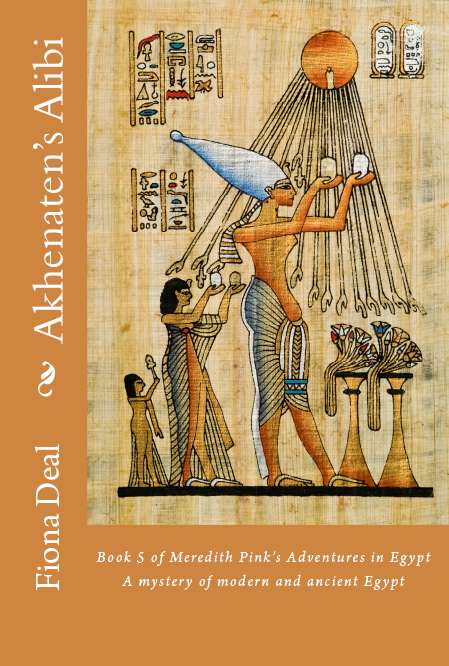
BookCoverPreview.doIf you’re interested in finding out more, and you like a relatively light escapist read, you might want to give my fictional series a try. The Moses story is explored in Akhenaten’s Alibi and Seti’s Secret.

BookCoverPreview.doThe series starts with Carter’s Conundrums.  All six books in the series are set in present-day Egypt.  Each is a modern adventure that also sets out to explore an ancient mystery.  They are available to download or in paperback on all Amazon sites.

Happy New Year to all.

Fiona Deal

Author of Meredith Pink’s Adventures in Egypt


Exodus: Gods and Kings

BookCoverPreview.doMy latest novel in the series following Meredith Pink’s Adventures in Egypt is called Seti’s Secret.  It is an adventure story set in modern-day Egypt but, as with the previous five novels in the series, it sets out to explore an ancient mystery.  For this book, I have chosen the Exodus story, proposing the historical identities of the Pharaoh as well as of Moses himself.

Publication of my book has coincided with Ridley Scott’s release of his Biblical film epic Exodus: Gods and Kings.  I went to see the film yesterday, interested to compare my take on ‘The Greatest Story Ever Told’ with Scott’s.

Since its release on Boxing Day, the movie has been banned in Egypt, Morocco and the UAE.  Egypt cites historical inaccuracies in the film, including depictions of the Jews building the pyramids and an earthquake causing the parting of the Red Sea.  Morocco has halted screenings because the film contains a “representation of God”, which is forbidden under Islamic Law.  The UAE has supported its decision saying the film contains religious inaccuracies about Islam as well as other religions, although it has not specified these inaccuracies.

I guess the movie-going public is arguably less concerned about historical and religious accuracy than it is about enjoyment.  I won’t comment on whether or not the film is enjoyable – that is for each person who sees it to decide.  I certainly found it epic, with sweeping vistas and grand stage sets – the plagues were particularly well depicted.  But as a writer, accuracy is something I have to be concerned with, and there are a few points I’d like to explore.

The opening title sequence tells us it is 1300 BCE (Before ‘Christian’ or ‘Common’ Era).  This places us in the latter years of the reign of Pharaoh Seti I, who appears briefly in the early scenes of the film as the elderly king about to pass on his throne. To be fair to Ridley Scott, I’m not sure he represented the Hebrew slaves as building THE pyramids.  True, the film shows workers constructing pyramids (in the sweeping panoramic shots of ancient Memphis) but I expect this is just for dramatic effect.  The Giza pyramids were built some 1000 years earlier during the Old Kingdom, presumably long before the Israelite sojourn in Egypt as described in the Bible; and before the 400 years Scott’s opening titles claim the Hebrews have been enslaved.  I guess it depends whether you’re prepared to accept that pyramids continued to be built in Egypt, even into the New Kingdom.

A more interesting historical inaccuracy for me was the scene showing Seti I’s funeral taking place at the Temple of Abu Simbel – another piece of grand cinematography – but factually impossible, since Abu Simbel wasn’t built at the time, and Seti I was interred in the Valley of the Kings.

If the film showed an earthquake parting the Red Sea, I missed it.  I saw Moses go to sleep asking for divine intervention, then wake to find the waters had miraculously drained away to allow the Hebrews to cross.  The special effects showing the seawater crashing back in again are among the most impressive in the film – although it is perhaps stretching credulity to the limit for both Moses and Ramses to survive the deluge, on their opposite banks of the Sea, given the on-screen violence of the Tsunami-like wave that engulfs the Egyptian army and both lead characters with it.

The Bible is oblique about whether or not the Pharaoh survives being cast into the sea.  The Torah is more specific in suggesting the Pharaoh drowns.

Which brings me to what I consider the crux of the historical matter.   Was Ramses II (Ramses the Great) the Pharaoh of the Exodus?  Ridley Scott apparently believes so, as did Cecil B DeMille before him, in his film The Ten Commandments.  Yet is there any historical evidence for his candidacy?

Ramses II ruled Egypt for upwards of sixty years.  His mummy is on display in the Egyptian Museum in Cairo and is of a man in his nineties when he died.  So if he pursued the fleeing Israelites into the Red Sea he certainly survived it.

Interestingly, the Bible never names a Pharaoh.  So we are forced to look for other evidence in the Old Testament as well as in the historical and archaeological record to identify which Pharaoh is described.

The primary argument in support of Ramses II in the Exodus story seems to be that the Bible states the Pharaoh subjected the Hebrews to harsh labour building his store cities of Pithom (the location used in Scott’s film) and Ram’ses.  Ramses II certainly built a new capital city Pi-Ramses (or Piramesse).  Its remains have been discovered under the modern town of Qantir in the Eastern Delta, close to a branch of the Nile that silted up approximately 1,000 BCE.  Because Ramses built a city and named it for himself, hey presto he is the Pharaoh of the Biblical Exodus story.  That’s it.  That’s the evidence.

What is perhaps not so well known in popular culture is that Pi-Ramses was apparently built on top of the remains of an earlier city.  Historians have identified this as the Hyksos capital of Avaris and perhaps also the border city of Zarw, identified by some as Biblical Goshen, where the Hebrew tribes are said to have settled after their descent into Egypt.

If true, this enables us to construct a rather different scenario.  The historical record tells us that the grandfather of Ramses II, who ruled as Ramses I, was the Overseer of the Fortress of Zarw while still a commander in the previous Pharaoh’s army.  As he shares the name of his more famous grandson, I think it equally possible that he was the one who oversaw the daily lives of the Hebrews living in the place his grandson later decided on as the location for his new city.

The Bible also suggests the Pharaoh of the Exodus was not the same individual as the Pharaoh of the Oppression.  Exodus 3:6 describes Moses’ reluctance to return the Egypt to free the enslaved Hebrews after God speaks to him from the burning bush.  God reassures Moses that his life will not be in danger if he returns to Egypt as “all those who wished to kill you are dead”.  The earlier section (Exodus 1:8) tells us “Now there arose up a new king over Egypt”.  These passages suggest that during the years Moses spends in the wilderness, the previous pharaoh has died to be replaced by a new one. This would exclude Ramses II as being the Pharaoh to banish Moses and also the one on whom Moses unleashes the ten plagues.

There is more evidence, of course.  But, for now, I’ll end by saying if you’re interested in how the historical and archaeological evidence can be used to construct an alternative set of characters for the Exodus story, you may wish to read Seti’s Secret. (This is book 6 in a series, so I’d suggest you start with the first book Carter’s Conundrums).  The books are available on all Amazon sites.

As for the religious inaccuracies cited by the nations who have banned Ridley Scott’s film, I’ve decided they are the subject of a whole new article, which I will publish in the next couple of days.

Fiona Deal

Author of Meredith Pink’s Adventures in Egypt

Tutankhamun: The Truth Uncovered

Last night I watched the hour long BBC1 documentary called ‘Tutankhamun : The Truth Uncovered’.

It set out to present clues as to why the most famous Egyptian Pharaoh of them all died so young.  The theory of murder due to a blow to the head was debunked.  Actually, it was debunked years ago … the bone fragments shown by X-ray to be floating in the back of the boy king’s skull were proved to have been displaced post mortem and also after the embalming process.

The programme showed us a ‘virtual autopsy’ using more that 2,000 CT scans of Tutankhamun’s mummified body.  This remarkable technology has enabled scientists to reveal the first ever full-sized, scientifically accurate computer generated image of the young king.  Sadly, it is a far cry from the hauntingly beautiful and perfect image we are more used to from the glorious death mask and much of the other artwork and statuary surviving of Tut from antiquity.

It reveals the club foot, which explains once and for all why so many walking canes – over 120 of them – were found by Howard Carter when he entered Tutankhamun’s tomb. I can’t help but wonder if seeing ‘the truth uncovered’ might actually be a little less than Tutankhamun deserves.  We come face to face with a teenager who might now unkindly, but no doubt accurately, be referred to as a cripple.  I’m sure he’d have preferred the images of himself riding his chariot, full of youthful vigour to be the ones to survive him down the centuries.

And with mention of the chariot (there were six of them found dis-assembled in Tutankhamun’s tomb) we come to the next popular theory explaining his early death. The CT scan reveals the fracture above his knee, which experts believe to have killed him.  A long-held theory is that the fracture was caused by a fall from his chariot whilst out hunting, or perhaps even in battle. (Or maybe he was pushed?).  But last night’s documentary suggests it would have been almost impossible for the young king to ride at any speed in a one-man chariot.  Or indeed ride a chariot at all.  The club foot and bone wasting disease shown also to be affecting his left foot would, we are told, have made it excruciatingly painful to ride.

And so, another explanation has to be found.  It is not slow in coming.  Epilepsy.

This condition, we are told, may also account for the ‘visions’ experienced by Tutankhamun’s predecessors.  His great-grandfather, Thutmosis IV, recorded in the famous ‘dream stele’ (still situated between the paws of the Sphinx) the vision in which the Sphinx spoke to him and told him if Thutmosis cleared the sand from around the Sphinx’s body, he would be crowned king.  And, Akhenaten, the controversial pharaoh who preceded Tutankhamun was apparently given to religious visions, which led him to elevate the sun disc, the Aten, as the sole god from the Egyptian Pantheon.  They also led him to build a new city, modern Amarna, on virgin soil in middle Egypt.

And now, with the mention of Akhenaten, we come to the part where I take issue with last night’s documentary.  DNA testing has enabled scientists and Egyptologists to build Tutankhamun’s family tree.  This has established that the body found in tomb KV55 is Tut’s father, and the ‘younger lady’ found in the cache hidden inside Amenhotep II’s tomb is Tut’s mother.  More astonishing, Tutankhamun is shown to be the product of an incestuous full-brother-and-sister relationship.

This much, I believe, is irrefutable.  It seems to me tragic that in their attempts to keep the royal bloodline pure, the pharaohs of the late 18th dynasty actually inbred its genetic downfall.

BUT, the documentary makes one big and, to my way of looking at it, unsupportable assumption … That the KV55 mummy is Akhenaten.  Ergo Akhenaten is Tutankhamun’s father.  This is presented as FACT, with no questions asked.

This does the viewing public a huge disservice.  While Akhenaten is unquestionably one candidate as the KV55 mummy, he is not the only one.  Many scholars believe the skeleton to be that of Akhenaten’s younger brother, an ephemeral character on the pharaonic stage.  His name was Smenkhkare.  Nobody has ever been able to prove the identity of the KV55 mummy for sure.  So, for the BBC to overlook this and present Akhenaten as the sole candidate seems to me to be misleading and negligent.

We know Akhenaten was famously married to Nefertiti.  They very publicly had six daughters.  Images of the whole family are plastered all over Amarna.  Nobody has yet gone so far as to suggest the ‘younger lady’ is Nefertiti, or that she was Akhenaten’s full sister.  So, we must suppose that Akhenaten had an incestuous relationship with one of his full sisters, who bore Tutankhamun.  Under the royal protocol of the time, she would have had to be one of his wives, possibly even his Great Royal Wife.  For this to have completely escaped the historical record seems to me extremely unlikely.

Yet, if his younger brother Smenkhkare were to have had an incestuous marriage with one of their sisters, with Tutankhamun as the result, it seems perfectly possible for no record of it to have survived.

I personally believe Smenkhkare is the KV55 mummy.  Other scholars agree.  One other piece of evidence supports this theory.  On last night’s documentary, Tutankhamun was repeatedly described as Akhenaten’s successor.  He wasn’t. At least, not at first.  The historical record shows quite clearly that Smenkhkare came to the throne on Akhenaten’s death.  Incidentally, Smenkhkare married Akhenaten & Nefertiti’s eldest daughter, his niece Meritaten, presumably to strengthen his right to rule.  She became his Great Royal Wife.  Whether his previous sister-wife was still alive at the time is a matter for conjecture.

It is not clear how long Smenkhkare ruled.  Some experts say a few months, others up to three years.  But rule he did.

To me, this is more evidence that Tutankhamun was not Akhenaten’s son.  There are plenty of other examples of minors coming to the throne, so his age would not have presented a reason for him to be passed over in favour of his ‘uncle’ Smenkhkare if indeed Akhenaten was his father.  I think in the absence of a male heir who was his son, the throne passed to Akhenaten’s brother and only then on Smenkhare’s death to his son, Tutankhamun.

Frustratingly, none of this can be proved once and for all.  We need more discoveries to be made in the historical record, or for modern science to take yet another leap forward.

I’m left with the impression of a documentary wanting to re-work old ‘truths’ to find a new angle.  I’d have been perfectly happy with this, if only certain assumptions were not presented as fact.

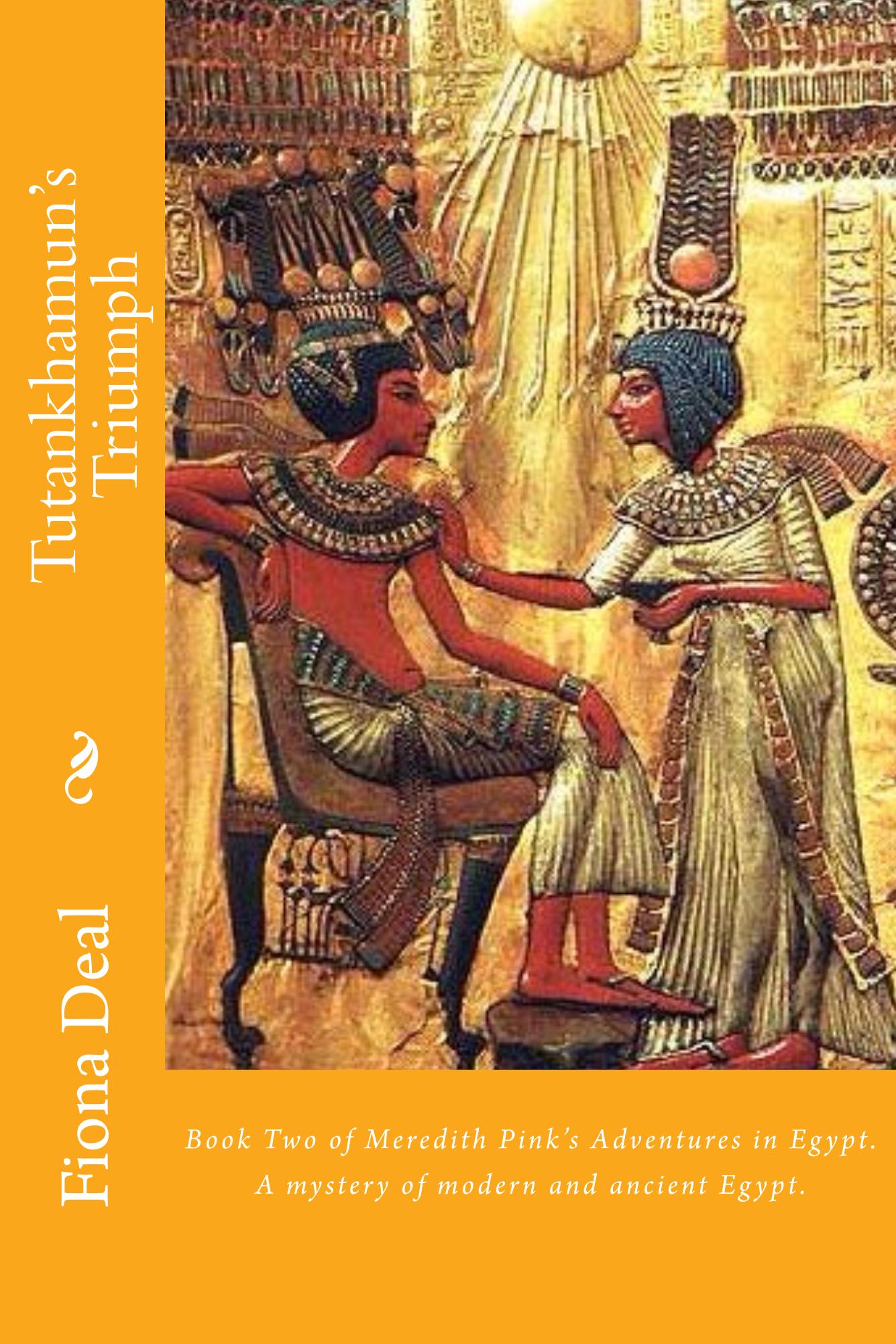
Luckily for me, there is one field in which it’s more acceptable to work within what’s known, and make up the rest.  I am a fiction writer.  The mysteries of ancient Egypt are my chosen subject.  So last night’s documentary was of particular interest.  I’m pleased to say, it didn’t present anything to make me go back and rewrite any of the content of my books.  The second book in my series following Meredith Pink’s Adventures in Egypt is Tutankhamun’s Triumph.  If you’re interested in reading more about Tut’s family tree, you may wish to give it a go.

Fiona Deal

Author of Carter’s Conundrums, Tutankhamun’s Triumph, Hatshepsut’s Hideaway, Farouk’s Fancies and Akhenaten’s Alibi. Available on Amazon.com, Amazon.co.uk, and all other Amazon sites.

BookCoverPreview.do


Book 2 of Meredith Pink's adventures in Egypt

Book 2 of Meredith Pink’s adventures in Egypt

Hatshepsut's_Hideawa_Cover_for_Kindle BookCoverPreview.do

BookCoverPreview.do


Sailing the Nile on a Victorian Dahabeeyah

One of the things I enjoy about writing a fiction series is deciding how to keep my characters moving forward across several books.  For the first three books in my series following Meredith Pink’s adventures in Egypt, starting with Carter’s Conundrums, my main character was on a tourist holiday, staying at the Jolie Ville hotel, situated on its own island in the Nile in Luxor.

IMG_4738As the series developed, I needed to find a way for the central British characters to remain in Egypt.  They needed to progress from tourist visas to working visas, and find somewhere permanent to live.  And so the idea of having them own and run a restored Victorian dahabeeyah was born.  In Farouk’s Fancies they are setting up in business offering luxury Nile cruises to discerning travellers.

Unknown

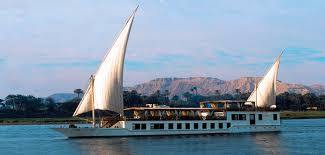
From the 1850s through into late Victorian times, the dahabeeyah was the standard way to travel up and down the Nile.  ‘Dahabeeyah’ means ‘golden boat’ in Arabic.  The prototype for the Victorian version can be found on tomb and temple walls in Egypt and has changed little in design since pharaonic times when the royals and nobles painted their boats gold.  Amenhotep III had a Nile sail barge called ‘Aten Gleams’.

images-5The dahabeeyah started to lose popularity when Thomas Cook, a pioneer in travel, who single-handedly invented modern tourism in Egypt, introduced the Nile steam boat.  The steam boats significantly reduced the journey time along the Nile.  Where the dahabeeyah took a traveller on a grand voyage of discovery, the steam boats introduced the idea of a shorter sight-seeing trip.  These were popular with late nineteenth century travellers.

As tourism became available to the masses during the twentieth century, the Nile cruise boats adapted to the increased demand, becoming the large floating hotels we are used to today.

images-6But in recent years there has been a resurgence in those seeking out a more traditional way to journey along the Nile.  There are those drawn to Egypt by the lure of nostalgia for the pioneering days of archaeology, as well as the antiquity to be found along the Nile.  A number of restored dahabeeyahs became available for hire during the early years of this century. It’s into this niche market that my characters have stepped.

Sadly the political situation in Egypt and elsewhere in the Middle East has put tourists off the Nile as a holiday destination.  So my characters must struggle to see if they can get their new business venture afloat.  Otherwise I may have to dream up another way of keeping them in Egypt so they can continue their adventures.

Fiona Deal

Author of Carter’s Conundrums, Tutankhamun’s Triumph, Hatshepsut’s Hideaway, Farouk’s Fancies and Akhenaten’s Alibi.  Available on Amazon.com, Amazon.co.uk, and all other Amazon sites.

BookCoverPreview.doBookCoverPreview.doHatshepsut's_Hideawa_Cover_for_KindleBookCoverPreview.doBookCoverPreview.do


Nothing new under the Egyptian Sun

BookCoverPreview.doI’ve just published Akhenaten’s Alibi, the fifth book in the series following Meredith Pink on her adventures in Egypt.  It’s set against the backdrop of the turbulent events of the summer of 2013, when the people of Egypt took to the streets to protest the ‘undemocratic rule’ of their first democratically elected president, Mohamed Morsi.  This resulted in a coup d’etat that ousted him from power.

As I’ve mentioned before, it seems there really is nothing new under the Egyptian sun.  Some scholars claim the first coup d’etat took place in Egypt over 3000 years ago.  Back then it wasn’t a democratically elected president but a divinely anointed pharaoh who was allegedly forced to abdicate his position.

akhnatontall.gifThe pharaoh in question was Akhenaten, arguably the most intriguing of all the pharaohs.  He ruled towards the end of the golden age of Egypt’s empire in the 18th Dynasty of the New Kingdom.  Some say he catapulted it into decline.  He has been called ‘the first individual in history’.  It’s not hard to see why.  Unlike the traditional statuary and tomb-and-temple carvings that remained largely unchanged over a passage of time spanning upwards of 2000 years, Akhenaten’s is unique.  For reasons that remain obscure, he chose to have himself represented artistically with an elongated and distorted body shape and with exaggerated and unflattering facial features.

a_2b8e4f28What we know for sure is that he led a religious revolution, breaking with centuries’-worth of uniformity and consigning the ancient Egyptian pantheon of gods and goddesses to oblivion.  Instead he elevated the Aten, the sun disc for sole worship.

The big questions this begs … was Akhenaten the first monotheist in history?  Did he pave the way for the great monotheistic religions of the world… Judaism, Islam and Christianity?  Was he a contemporary, or perhaps an inspiration for Moses?  Opinion is divided.  Some claim Akhenaten was an enlightened spiritualist, born before his time. Others that he was an autocratic despot who imposed his thinking on a resistant populace.

So, was Akhenaten ousted from power by a people unwilling to accept his unilateralism, in the way Morsi was?  Or did he die a natural death?  Were his beliefs kept alive by a small band of his followers, who handed them down perhaps until the Qumran Essenes set them down in the earliest biblical writings, the Dead Sea Scrolls?

We may never know.  But these are intriguing questions for a fiction writer.  My latest novel seeks to weave a story from these threads and set it against the backdrop of the modern political situation in Egypt. It’s available on all the Amazon sites.  I hope you enjoy it.  If you’d like to begin with the first book in the series, look out for Carter’s Conundrums, also available on Amazon

Fiona Deal

Howard Carter’s Legacy Lives on…

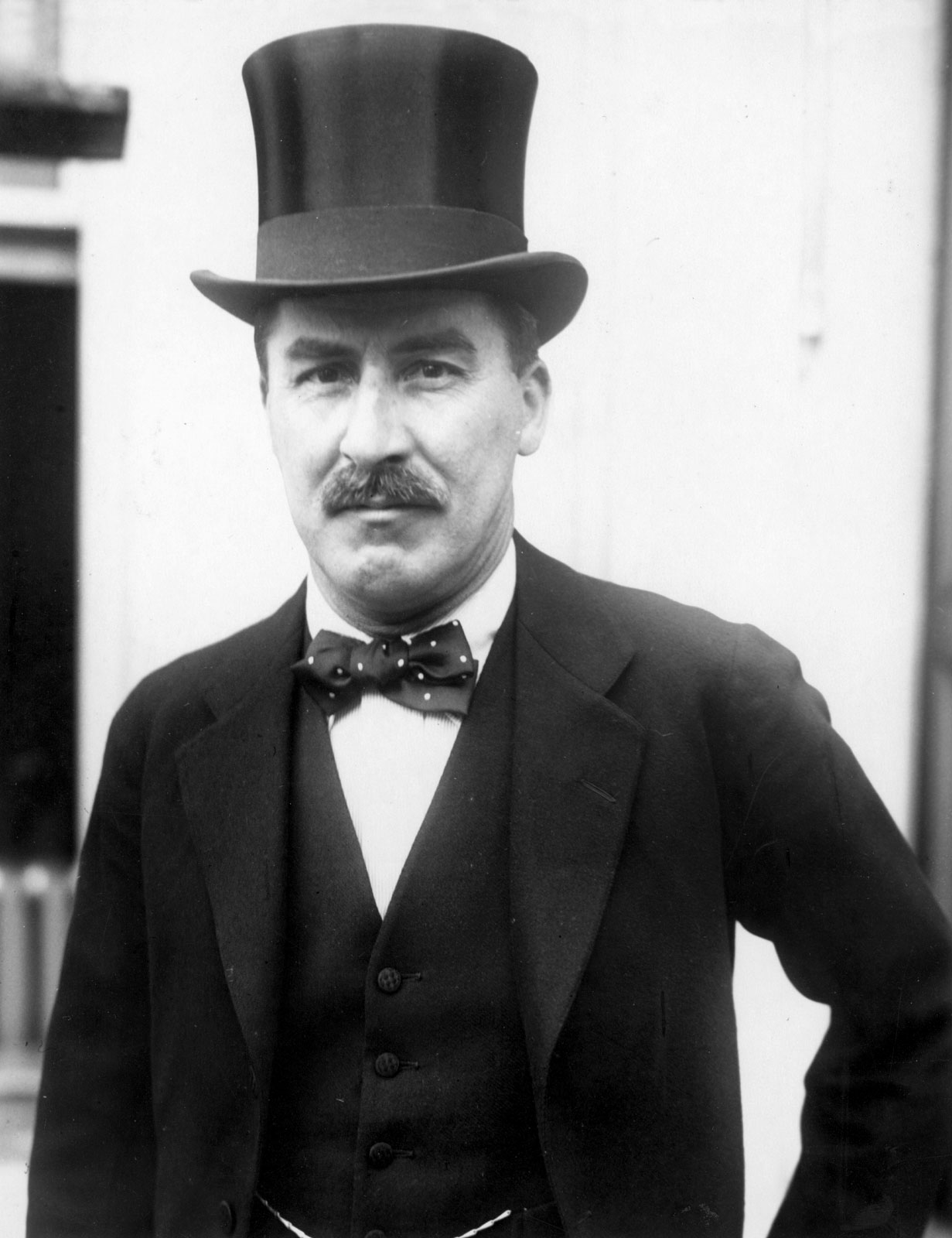
carterHoward Carter died seventy-five years ago on 2 March 1939.  His death went largely unremarked.  This is fairly extraordinary considering Carter was the man responsible for making arguably the most important archaeological discovery ever … the tomb of the boy king Tutankhamun, dating from the 14th century BC.

UnknownIt seems astonishing to me that such a spectacular find should earn no accolade at all for its discoverer.  Howard Carter lies buried in an unremarkable grave in a Putney Vale cemetery in London.  Only the words on his grave stone give any clue to the love of Egypt, Egyptology and his world-famous discovery…

Howard Carter,

Egyptologist,

Discoverer of the tomb of Tutankhamun 1922

“May your spirit live, may you spend millions of years, you who love Thebes, sitting with your face to the north wind, your eyes beholding happiness.”

It’s hardly the most lavish epitaph!

So, why the lack of recognition?  All Carter earned during his lifetime was an honorary doctorate from an American university.  In his own country; nothing.

Carter had a reputation as an irascible man, pig-headed, stubborn and intractable.  He rubbed shoulders with the aristocracy (notably his patron and sponsor the Earl of Carnarvon) yet wasn’t one of them.  Perhaps an incident early in his career in Egypt cast a long shadow. It became known as the Saqqara Affair.  Carter committed career suicide, refusing to apologise to the authorities over an incident where he forcibly ejected a group of rowdy and drunk young Frenchmen from the site of the famous stepped pyramid.  Carter resigned over the incident, halting a hitherto promising career, and entered what have become known as his ‘wilderness years’.  He scratched a living as an artist and antiquities dealer before being recommended as an excavator to Carnarvon.

The rest, as they say, is history.  But Carter’s temper continued to be his Achilles heel.  After Carnarvon’s untimely death just 5 months after the discovery of Tutankhamun’s tomb, Carter once again exploded. This time it was over the refusal of the Egyptian Authorities to allow the wives of the excavation team a private viewing of the tomb.  Carter downed tools and took himself off on a lecture tour of America.

But perhaps more damning were the rumours that started to circulate while he was away that Carter was misappropriating items from the tomb.  A lotus flower head of the boy king was found inside a Fortnum & Mason wine case.  Carter said he’d stored it there for safekeeping until it could be properly conserved.  His explanation was accepted without question, but I wonder if the powers that be were really convinced …?

Whatever, the recognition he might have expected as arguably the most famous excavator of all time never materialised.

Carter returned to England in 1935, having taken 10 years to clear the tomb.  He continued to deal in antiquities for many of the major museums of the world – perhaps considered a dodgy profession…?  He died, aged 65, of lymphoma.

But perhaps the action that meant he could never earn the recognition he deserved was his alleged unauthorised break-in to the tomb the night before its official opening in November 1922.  It’s never been proven, but it’s now achieved the status of something of an open secret.  Carter and Carnarvon, together with Carnarvon’s daughter and their friend Pecky Callender, are said to have broken into both the outer chamber and the burial chamber of the tomb.

I think, if true, it’s hard to blame them.  Which of us can honestly say we could have resisted the temptation after such a long search?

Whatever, rumours of wrong-doing seem to have dogged Carter’s footsteps – and his memory.

Book 1 of Meredith Pink's Adventures in Egypt

Book 1 of Meredith Pink’s Adventures in Egypt

These provide fertile soil for a writer of fiction, such as myself.  In the first book in my series following Meredith Pink’s Adventures in Egypt, my heroine finds herself caught up in a mystery that draws heavily on the conduct and character of Howard Carter.

So, despite the lack of any public recognition, I’d like to remember the seventy-fifth anniversary of his death, and thank Howard Carter for his legacy.  It was gawping at the Tutankhamun treasures in the Cairo museum as a teenager that sparked my enduring fascination for ancient Egypt … and perhaps that’s when my desire to write was first born.  So, thank you, Mr Carter … your legacy lives on …

Fiona Deal

Author of Carter’s Conundrums, Tutankhamun’s Triumph, Hatshepsut’s Hideaway and Farouk’s Fancies

So who was King Farouk?

BookCoverPreview-2.doscan0052

My latest book following Meredith Pink’s Adventures in Egypt is called Farouk’s Fancies.  On a recent trip to Luxor I visited the wonderful old colonial hotel, The Winter Palace.

This was once a winter retreat for Egypt’s last reigning monarch, King Farouk.  He was last in line of the Turkish Mohammed Ali Dynasty that had ruled Egypt for ten generations.  It sparked my interest in finding out a bit more about the king who was exiled to Europe after an uprising by the people that toppled him from power (sound familiar?)

And what a fascinating and larger(literally) than life character he was!

English: Photograph of Farouk I (1920-1965), K...

English: Photograph of Farouk I (1920-1965), King of Egypt (1936-1952). (Photo credit: Wikipedia)

He came to the throne as a teenager; young, handsome and blue-eyed.  But the honeymoon period wasn’t to last. Known early in his reign for his excessive partying and gambling, Farouk was once described as “a stomach with a head”. He grew to over 20 stone. It’s rumoured he drank 30 bottles of fizzy drink every day and had caviar for breakfast; apparently eating it straight from the can.

King Farouk of Egypt (1948)

King Farouk of Egypt (1948) (Photo credit: Wikipedia)

It was said if there were seven deadly sins, Farouk would find an eighth.  He was a glutton , womaniser, gambler and, perhaps bizarrely for someone with infinite wealth, a kleptomaniac.  He famously stole a pocket watch from Winston Churchill.  He later claimed to have simply found it lying around, but neglected to mention that he’d “found” it in Churchill’s pocket.  He also stole a ceremonial sword from the coffin of the Shah of Persia, while it was in Cairo.  It put a strain on relations between Egypt and Persia for years.

There’s another story that after having nightmares about lions attacking him, Farouk decided to take a trip to the Cairo Zoo.  Once there, he shot the lions in their cages. Hardly a normal reaction to suffering a bad dream!

Finally, when Hitler’s army was preparing to invade Egypt, Farouk sent Hitler a telegram apparently welcoming the offensive. He resented the British forces occupying his country.  I can only assume he must have thought the Nazis were somehow preferable.

Farouk frittered away his popularity. In 1952, he was overthrown in a move supported by both the British and American governments and soon afterwards the hugely popular President Nasser took up the reigns of leadership in Egypt.  Farouk was sent into exile in Europe.  When his palaces were raided, he was found to have huge collections of treasures including rare coins, stamps, and a massive collection of pornography.

While my book is set in the present day, so Farouk does not appear as a character, the mythology that’s sprung up about his personality and excessive lifestyle provided a great backdrop for my story.

Tourists return to Egypt

The British Foreign Office relaxed its restrictions on travel to Egypt last month. This is good news for all those whose livelihoods depend on the tourist industry, and a positive note on which to end this year which has seen so much political drama in Egypt.

I do hope the tourists will venture back to Egypt quickly.  Speaking as one who visited Luxor a couple of weeks after similar restrictions were lifted in 2011 when the Mubarak regime was toppled, I can only say it was a delight to visit when the tourist sites were uncrowded.  The Egyptian people were warm and welcoming (yes, there was some hassle, but it was good-natured and perfectly understandable in the circumstances.)

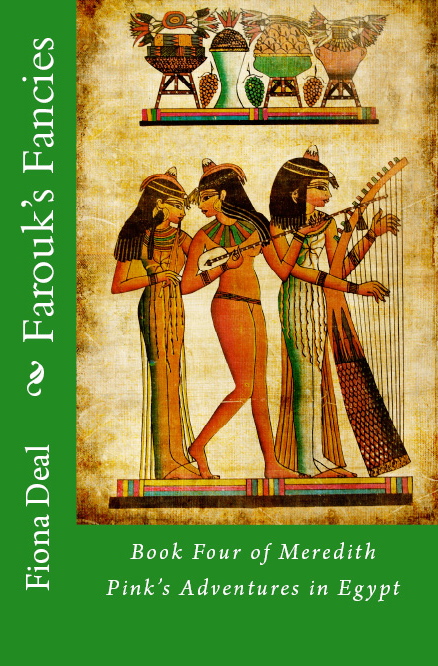
BookCoverPreview-2.doAs Egypt ends the year on a more positive note, so do I with the publication of the fourth book in my series following Meredith Pink’s Adventures in Egypt.  This story is set in the spring of 2013, before the events of the summer, which saw the ousting of President Mohammed Morsi from office.  Merry’s latest adventure, Farouk’s Fancies, draws on the events which saw the monarchy topped in Egypt and King Farouk sent into exile.  It was interesting to observe the political situation unfolding in Cairo this summer while writing about broadly similar themes which saw Farouk removed as king.  The story also involves the Dead Sea Scrolls and the theories put forward by some historians claiming key figures in the Bible were in fact ancient Egyptian pharaohs.

I look forward to a return to Egypt and to continuing the adventures of Merry and Adam.  I’m starting to think about how they’ve experienced the latter half of 2013 in Egypt and where their adventures will take them next.